

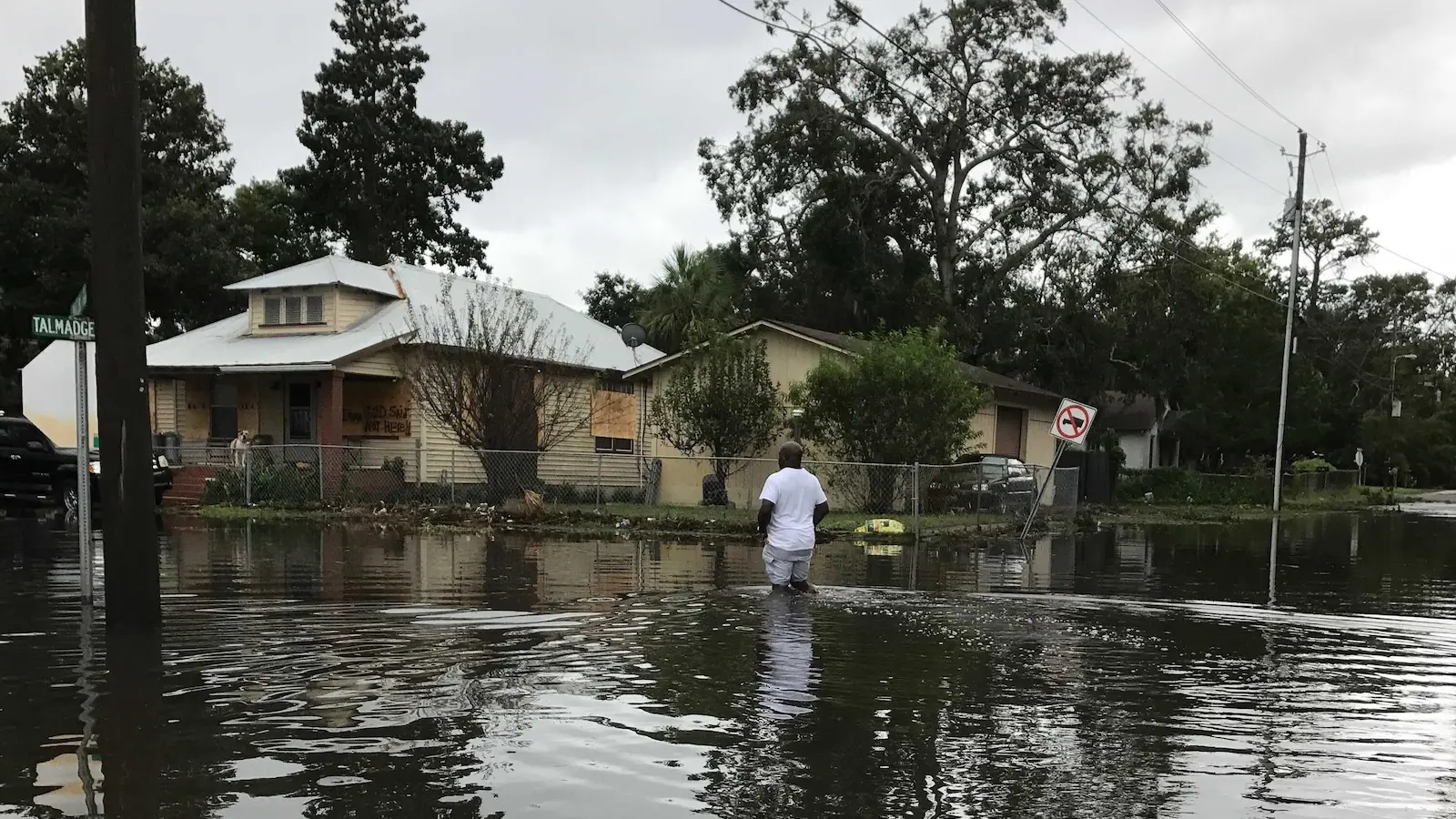
Residents of Glynn County, Georgia, face mounting environmental challenges as rising sea levels intensify flooding risks in areas already burdened by industrial contamination. Semona Holmes, who lives near a former pesticide plant designated as a Superfund site, has experienced floodwaters reaching her knees during heavy rains and high tides, with some neighbors forced to navigate by canoe after severe storms.
The county is home to four toxic Superfund sites—contaminated former industrial locations identified by the Environmental Protection Agency. Residents like Holmes worry that flooding could mobilize hazardous materials stored at these sites into their community’s air, soil, and water supplies. Some residents have already taken precautions, avoiding tap water and local seafood due to contamination concerns.
To address these concerns, a newly established Superfund research center will receive $15 million over five years from the National Institute of Environmental Health Sciences. The collaborative effort involves researchers from Emory University, the University of Georgia, Georgia Tech, Morehouse School of Medicine, Spelman College, and Texas Tech University. The initiative aims to document past chemical exposures and their health effects while identifying ways to reduce future exposure risks.
A central focus of the research will be examining how climate impacts—particularly rising seas and intensified storms—could compromise containment systems at contaminated sites. The researchers will conduct environmental sampling and model climate change scenarios to ensure that ongoing remediation efforts can withstand extreme weather events. Community members were involved in planning the research to ensure studies address residents’ specific questions about contamination and health impacts.
Holmes emphasized that while documenting contamination is important, continued action beyond acknowledgment remains essential. She expressed particular concern for her six grandchildren, several of whom attend an elementary school located blocks from a toxic site, and called for meaningful accountability from the companies responsible for the industrial pollution that has affected the region.
Article Attribution | Read More at Article Source
Article summary produced by Claude AI