

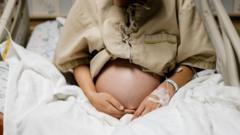
An appeals court in South Korea ruled to acquit a woman identified as Kwon of murder charges related to the death of a newborn following a late-stage pregnancy termination. Kwon had initially been convicted of murder and sentenced to three years of suspended jail time in March, alongside two doctors involved in the procedure. The appeals court upheld the murder convictions of both physicians but reduced their sentences—the surgeon’s term decreased from four years to two-and-a-half years, while the hospital director’s was lowered from six years to four years.
The case originated when Kwon posted a YouTube video in 2024 describing her decision to terminate her pregnancy at 36 weeks, which prompted public outcry and a criminal complaint from the health ministry. During the trial, prosecutors alleged that the baby was born alive via Caesarean section and subsequently placed in a freezer. Hospital staff allegedly falsified medical records to indicate a stillbirth. Kwon’s legal defense maintained that she had not known the baby would be killed after removal from her womb, an argument the appeals court found credible based on claims that a broker had told her the baby would be stillborn.
The case highlights significant gaps in South Korea’s abortion legislation. Although abortions were decriminalized in 2019, no clear regulations exist governing how far into pregnancy the procedure can be performed. The Constitutional Court recommended that parliament allow abortions up to 22 weeks of pregnancy, but subsequent legislative efforts faced gridlock due to opposition from conservative lawmakers. By the time the ban’s removal took effect in 2021, no regulatory framework had been established.
Kwon stated that she did not learn of her pregnancy until seven months in and sought termination due to financial instability and concerns about potential birth defects from alcohol and tobacco use during pregnancy. Human rights advocates, including Amnesty International Korea, welcomed the acquittal but emphasized that the legal void has left pregnant individuals without clear protections and access to reproductive healthcare. Officials have called for government action to remove barriers to safe abortion services and establish proper regulations governing abortion provision.
Article Attribution | Read More at Article Source
Article summary produced by Claude AI