

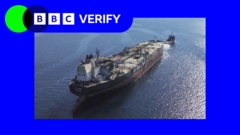
Multiple oil tankers have altered their routes following an announcement by the Iran-linked Houthi group of a maritime embargo targeting Saudi Arabia, according to vessel tracking data analyzed. The embargo was declared in response to what the Houthis characterize as a Saudi blockade of ports and airports in Houthi-controlled northwestern Yemen. Ship-tracking information indicates that at least seven tankers destined for or departing from Saudi ports made significant course corrections after the announcement, with some vessels reversing direction entirely.
The Red Sea serves as a crucial maritime corridor, accounting for nearly 15% of global sea trade and connecting key waterways including the Suez Canal and the Bab al-Mandab Strait. Since the effective closure of the Strait of Hormuz, the Red Sea has become increasingly important for Saudi oil exports, with the kingdom routing over 70% of crude shipments through the region via a pipeline to the port of Yanbu. Recent shipping volumes from Yanbu have reached approximately four million barrels daily, a significant increase from previous levels.
The potential disruption to maritime traffic raises concerns about global energy market impacts. Analysis suggests that if the Houthis effectively restrict trade through the region, crude oil prices and freight rates could increase substantially. According to maritime analysts, prolonged closures could force tankers to navigate around the southern tip of Africa to reach Asian markets, a considerably longer and costlier route. While immediate consumer impacts may not be apparent, energy market analysts warn of increased vulnerability to supply shocks and higher operational costs flowing through to consumers.
The maritime embargo represents an escalation in an ongoing conflict that has characterized the region for years. The Houthis previously targeted merchant vessels during the Gaza conflict beginning in 2023, resulting in sunk ships, vessel seizures, and fatalities. An informal truce between the Houthis and Saudi Arabia had been in place since 2022, though recent military actions by both sides have heightened tensions. The EU naval force in the region has advised merchant vessels with Israeli, US, or Saudi connections to avoid the Red Sea and Gulf of Aden until threat levels decrease.
Article Attribution | Read More at Article Source
Article summary produced by Claude AI