

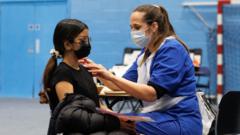
Medical advisers in the United Kingdom are calling for the government to introduce routine meningitis B vaccinations for secondary school-aged teenagers, marking a significant shift from previous guidance. The recommendation comes in response to heightened concerns surrounding a major outbreak that occurred in Kent, which resulted in 29 confirmed or suspected cases and two fatalities.
Under the proposed approach, teenagers would receive two doses of the vaccine when they reach approximately 15 years old. The government has indicated it will consider the advice and provide updates on any future immunization programs. If implemented through the NHS, the vaccine would be provided at no cost to recipients. The Joint Committee on Vaccination and Immunisation stated that the recommendation is based on recent evidence and represents a reversal of its previous position that such vaccination was neither necessary nor cost-effective.
The shift in guidance follows growing recognition that teenagers face elevated risk due to their socially active lifestyles, which facilitate disease transmission through close contact including kissing and sharing items. Currently, babies receive the MenB vaccine as part of the standard childhood immunization program, but teenagers and young adults over age 11 have not received this protection. As a precautionary measure, pharmacies across the country are already conducting a temporary vaccination campaign this summer targeting young people preparing to attend university.
Advocates, including bereaved family members and individuals who experienced severe complications from meningococcal disease, have emphasized the importance of vaccination and public education. Meningitis B can cause serious complications including inflammation of the brain lining, blood poisoning, and potentially fatal outcomes, with survivors sometimes experiencing permanent disabilities such as amputations and hearing loss. Health officials and campaign organizations have characterized the new recommendation as a critical step toward protecting vulnerable young populations from this serious illness.
Originally reported by BBC News. Read the full story →