

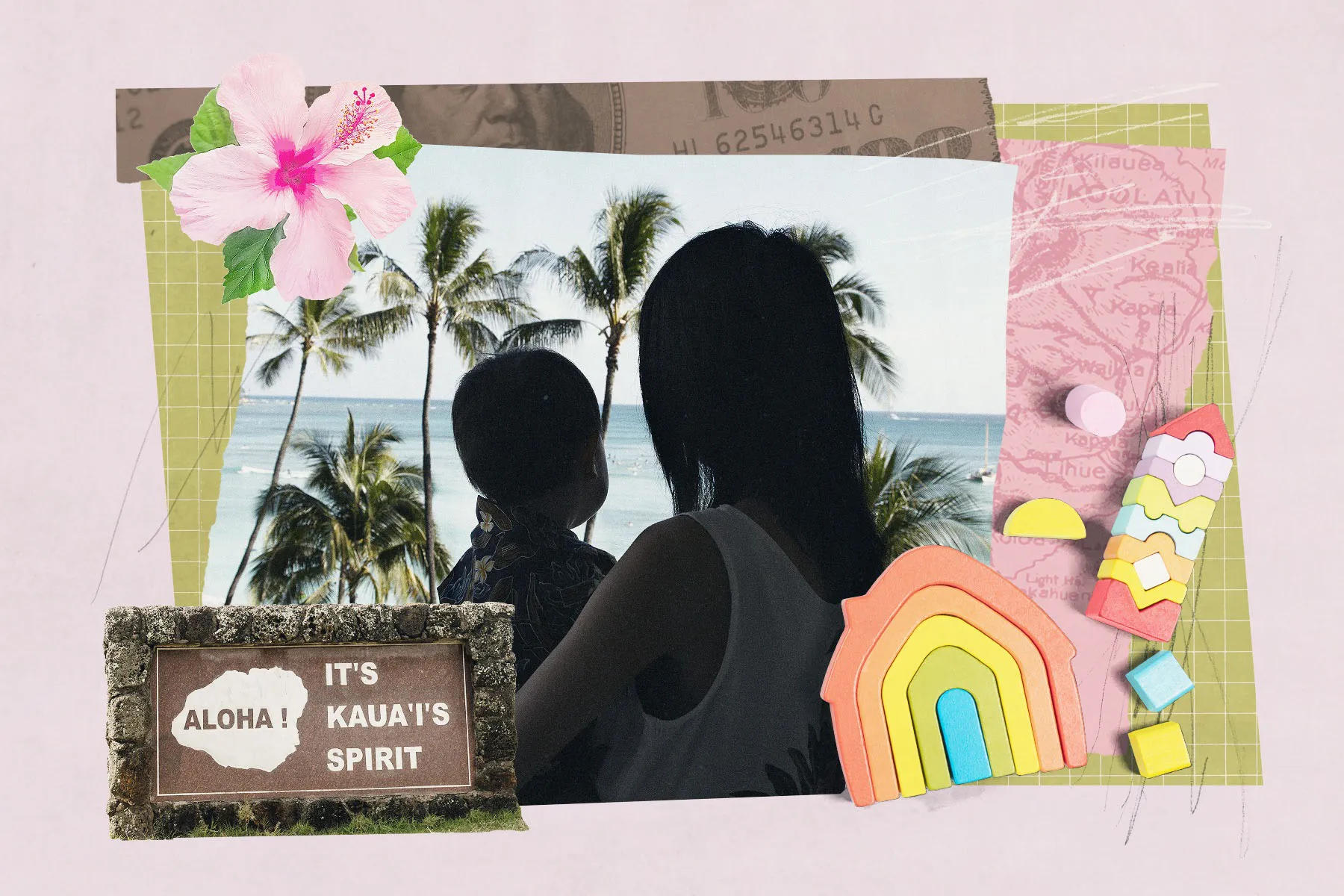
Kauaʻi has operated for approximately 15 years without any center-based childcare options for infants and toddlers, creating what residents describe as an accepted but unsustainable crisis. The island, home to about 700 babies born annually, has relied almost entirely on family networks and informal care arrangements. Licensed home-based centers can accommodate only two children under 18 months, resulting in roughly 10 to 14 available seats. Private nanny services cost between $35 and $40 per hour, placing them out of reach for most families. Military childcare on the island remains restricted to military families.
The situation intensified during the pandemic when tourism collapsed and five home-based childcare centers closed by 2023. Housing affordability worsened, eliminating the possibility for many families to sustain single-income households. Beginning in 2024, three new centers opened, including Kauaʻi Montessori Project with 12 infant spots and an Early Head Start center with eight spots. A third facility designed specifically for infants and toddlers is scheduled to open early next year with 32 seats. Even with these additions, current capacity serves approximately 4 percent of the island’s infants, with waitlists significantly exceeding available spots.
The shortage has had measurable economic and social consequences. A 2025 statewide survey indicated more than half of Hawaiian parents reported leaving employment due to childcare challenges. On Kauaʻi specifically, mothers typically bear the burden of leaving jobs, creating additional financial strain on families. Some residents have decided to relocate to the mainland, while others bring children to work in various industries including tourism and retail. Teachers at existing centers face recruitment challenges and low compensation ranging from $20 to $27 per hour, with some staff becoming housing-insecure despite employment.
Financial barriers compound the shortage. Infant care at Kauaʻi Montessori costs $2,400 monthly, consuming roughly one-third of the island’s median household income of $83,000. Statewide, Hawaii ranks second nationally in center-based infant care costs at $25,096 annually. Staffing requirements mandating one teacher per four infants make operations expensive, while island-wide space constraints due to housing shortages present additional obstacles to expansion. The Kauaʻi Community College early childhood program struggles to attract students, partly because childcare positions rank among the lowest-paid jobs nationally, with many students choosing tourism or other industries instead.
Cultural factors also shape the childcare landscape. Many island residents traditionally relied on multigenerational family care and remain hesitant to trust formal childcare options. Hawaii’s incident reporting system for childcare centers has not submitted data in a decade despite federal requirements. Community leaders are exploring alternative solutions, including nature-based unlicensed pods and cooperative caregiving arrangements among parents. Some businesses are developing affordable drop-in options, with one nonprofit planning to offer two-hour sessions for $25 to reduce costs and increase accessibility for working families.
Article Attribution | Read More at Article Source
Article summary produced by Claude AI