

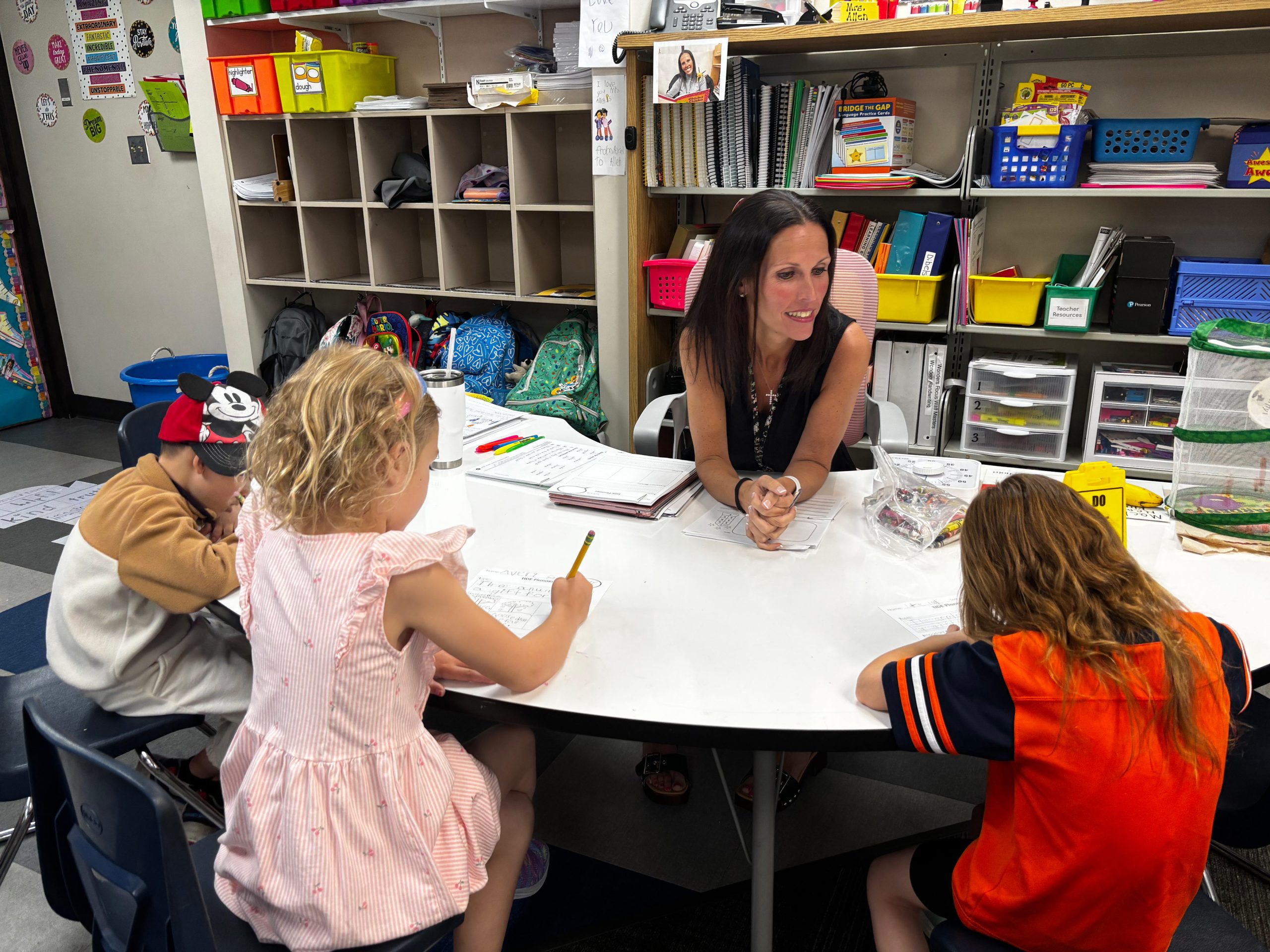
Writing instruction in American elementary schools has long been underprioritized compared to reading and math, leaving many students struggling with basic writing skills. National data on elementary writing proficiency remains sparse, with no nationwide standardized writing scores released since 2002. Recent state test results highlight the challenge: in 2025, more than half of Texas’ third graders received no credit on essay responses, while only 17 percent of California’s third graders met standards for well-organized writing. Experts attribute the widespread deficiencies to multiple factors, including insufficient teacher preparation, competing curricular priorities favoring reading and math, and increased device usage among young children that limits hand-eye coordination development.
Recognizing these challenges, several school districts have begun implementing science-backed writing instruction approaches. Douglas County schools in Colorado adopted Self-Regulated Strategy Development, a prescriptive method that moves away from open-ended creative writing toward structured text-based responses using specific planning strategies. Teachers employ easy-to-remember frameworks such as “TIDE” (topic, important details, and ending) and model these strategies consistently across grade levels. The approach emphasizes building student resilience through positive affirmations and explicit instruction in foundational skills including sentence structure, spelling, and punctuation.
Teacher preparation and district-level commitment proved critical to successful implementation. District officials discovered that teachers had previously lacked common strategies and relied on varied online resources, resulting in inconsistent instruction. The district deployed 100 instructional coaches to guide implementation across 70-plus elementary schools. Within the first year, participating schools saw state writing scores increase by 3 percentage points, with math scores also improving as students developed better analytical skills.
While research supports effectiveness of these science-based approaches, wider adoption remains limited due to gaps in teacher awareness and competing educational priorities. Some veteran teachers initially resisted the structured methodology, concerned it would discourage student engagement. However, early results from pilot schools convinced skeptics when middle school educators noticed incoming students possessed significantly stronger writing skills. Teachers report students now approach writing assignments with greater confidence, having clear frameworks and organizational tools rather than facing blank pages without direction.
Article Attribution | Read More at Article Source
Article summary produced by Claude AI