

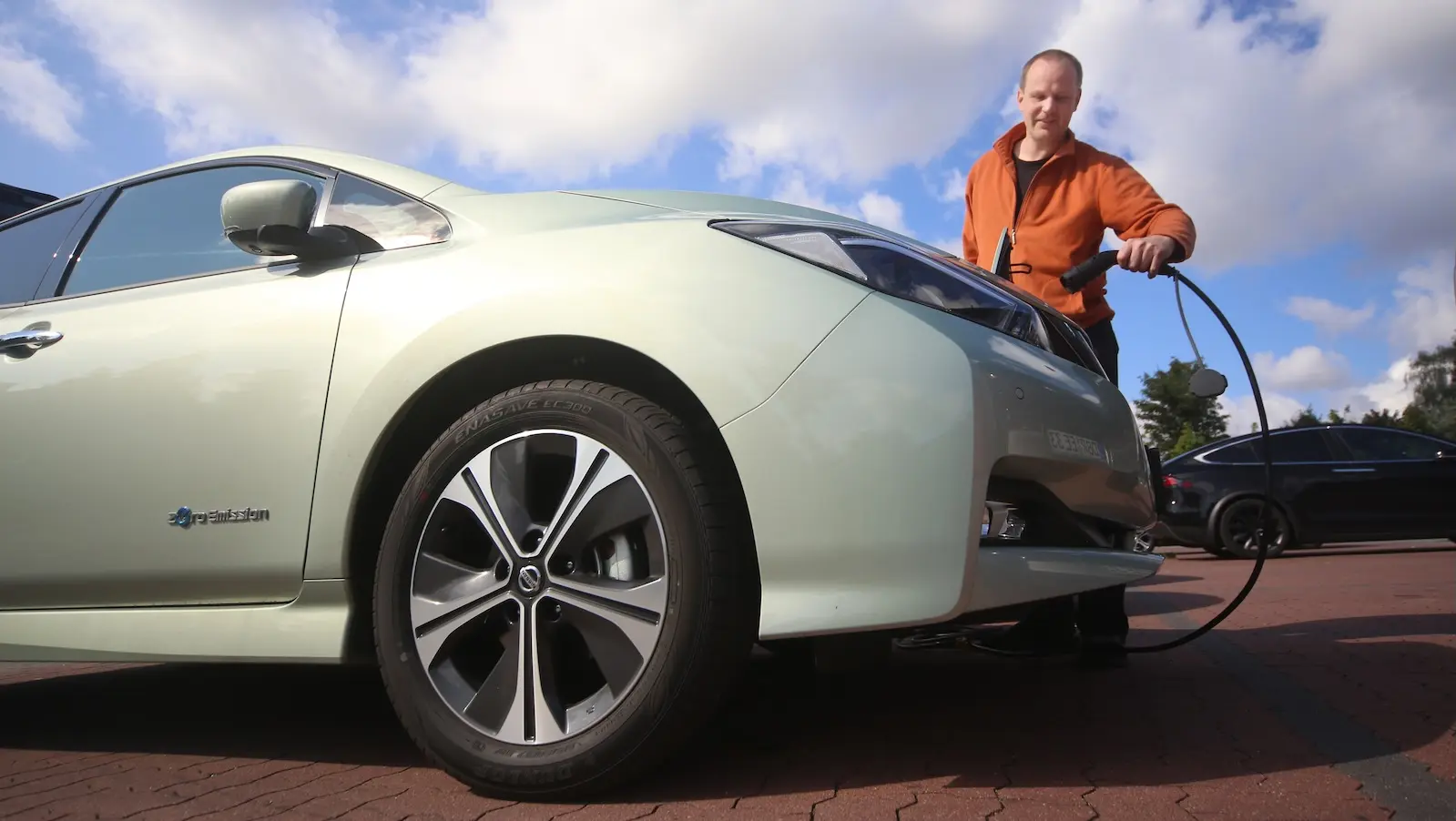
A group of energy and technology companies including Eversource, National Grid, EnergyHub, Sunrun, and the Mobility House is initiating a pilot project in Massachusetts to test vehicle-to-grid technology. The program enables electric vehicle owners to send stored energy back into the electrical grid during periods of high demand, such as heat waves, and receive compensation for participating.
Participants will connect their vehicles to an existing utility program called ConnectedSolutions, which already facilitates energy management for residential batteries. When demand response events occur, EV batteries can help stabilize the grid. According to officials involved in the initiative, these discharge events would occur only during peak demand periods throughout the year, rather than on a daily basis.
Utilities view V2G as a potential solution to mounting infrastructure challenges. Rising electricity consumption from data centers, heat pumps, and increased EV adoption is straining grids at the same time utilities are transitioning away from fossil fuels toward renewable sources. Wind and solar power, while cleaner, are intermittent, creating a need for energy storage solutions. V2G technology offers a cost-effective alternative to building expensive battery facilities and transmission lines by leveraging existing EV batteries as distributed energy storage.
The economic advantages extend beyond grid stability. EV batteries contain substantially more storage capacity than typical residential backup units, with even standard electric vehicles holding approximately six times the capacity of mounted home batteries. While not all current EV models support bidirectional charging, manufacturers including Nissan are increasingly incorporating the necessary hardware, and costs are expected to decline over time as technology matures.
The Massachusetts initiative represents an early stage in scaling the technology. Participants can use applications to specify their typical vehicle usage patterns, allowing the grid operator to optimize when batteries discharge and charge. Coordinating hundreds, thousands, and eventually millions of participating vehicles through what industry representatives call a “virtual power plant” could significantly enhance grid reliability while potentially reducing electricity costs across the broader consumer base.
Article Attribution | Read More at Article Source
Article summary produced by Claude AI