

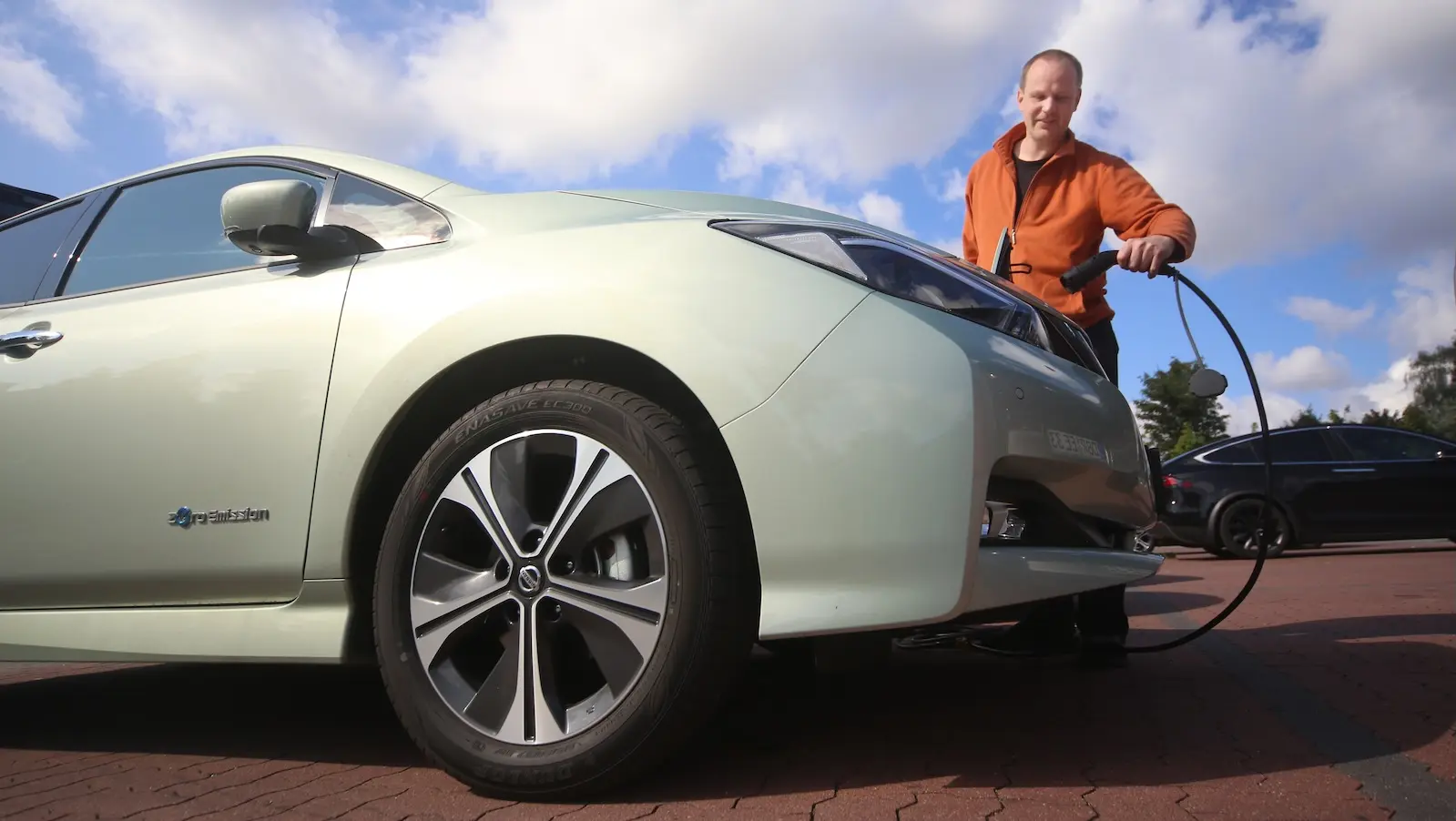
Vehicle-to-grid technology, or V2G, enables electric vehicles to discharge their batteries back into the electrical grid, creating a potential revenue source for EV owners while providing utilities with flexible energy storage. A consortium including Eversource, National Grid, EnergyHub, Sunrun, and the Mobility House is initiating an early pilot program in Massachusetts through an existing program called ConnectedSolutions, which currently allows homes to use residential batteries for demand response events.
Utilities are increasingly interested in V2G as they face multiple challenges simultaneously. Electricity demand is rising due to data centers, the transition from gasoline vehicles to electric ones, and the replacement of gas furnaces with heat pumps. Simultaneously, utilities are shifting away from fossil fuels toward renewable energy sources like wind and solar, which generate power intermittently. This mismatch between supply and demand creates a need for reliable energy storage solutions.
Under the V2G system, when demand spikes—such as during heat waves when air conditioning usage peaks—EV batteries can provide stored energy to the grid. Participants receive compensation similar to homeowners who contribute solar energy. Russell Vare, vice president of vehicle-grid integration at the Mobility House North America, noted that battery discharge typically occurs only during limited peak demand periods annually, not continuously.
The approach offers significant cost advantages over traditional infrastructure investments. Rather than requiring utilities to build new battery storage facilities or expand transmission lines, V2G utilizes existing EV batteries as a distributed storage network. A typical EV battery contains approximately six times the capacity of residential backup units. Fleet vehicles with predictable schedules, such as school buses, are particularly valuable for this application.
As EV adoption continues and V2G-capable models become more common, bidirectional chargers will decrease in cost and installation will simplify. Coordination through mobile applications allows owners to specify their typical vehicle usage patterns, ensuring power flows back to the grid during peak demand hours while vehicles recharge during off-peak periods. This approach, combined with managed charging that staggers EV charging throughout evening and early morning hours, could transform electricity consumers into active participants in grid management.
Article Attribution | Read More at Article Source
Article summary produced by Claude AI