

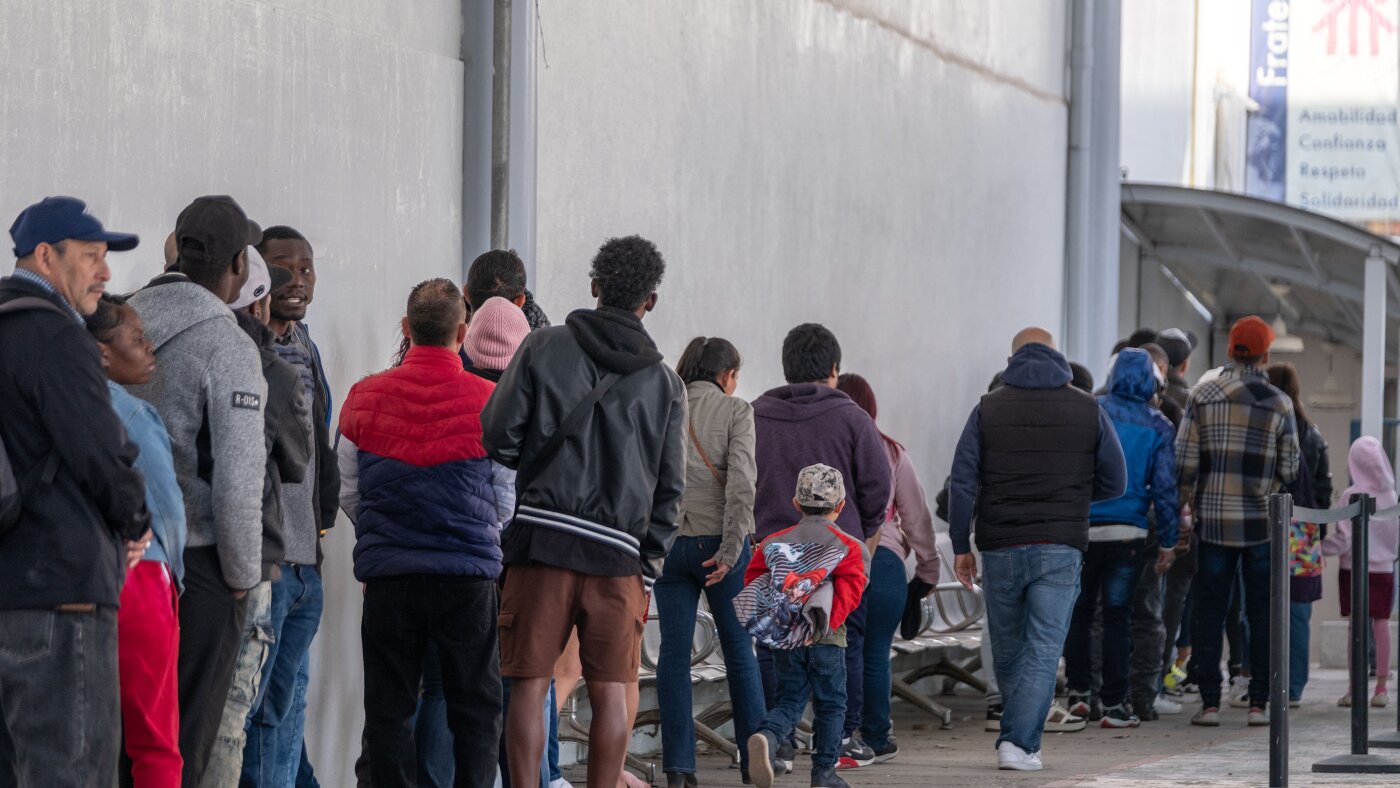
The Trump administration has implemented a series of policy changes affecting the U.S. asylum system over the past year, according to multiple sources and federal data. The latest modification this week allows asylum officers to refer hundreds of thousands of applications to immigration courts, where analysts say they are more likely to be rejected. The changes follow the administration’s declaration of a national emergency at the southern border upon taking office and subsequent efforts to restrict asylum access through various mechanisms.
Asylum approvals have reached their lowest levels in at least two decades, according to federal data analyzed by the nonprofit Mobile Pathways. The new rule affecting applications filed at U.S. Citizenship and Immigration Services is designed to reduce a one-million-case backlog by approximately 30 percent. USCIS Director Joseph Edlow defended the changes, stating that the asylum system has been exploited for purposes of delay and work authorization rather than legitimate protection claims. Critics, including immigration attorneys and advocacy groups, characterize the cumulative effect as a comprehensive restriction on asylum seekers’ rights and access to the system.
Beyond the USCIS rule change, the administration has pursued additional measures limiting asylum eligibility and benefits. Congressional legislation passed last summer imposed application fees, work authorization fees, and annual pending-application fees that could total thousands of dollars. The same legislation restricted asylum applicants’ access to food assistance and healthcare programs. A proposed Department of Homeland Security regulation would extend the waiting period for work permits from five months to one year and pause processing of new permits while USCIS reduces its asylum backlog. Advocates warn these measures could affect more than 2 million people already employed in the labor force seeking permit renewals.
The Board of Immigration Appeals, comprised nearly entirely of Trump appointees, has issued a record number of precedent-setting decisions, with approximately one-third limiting or reinterpreting asylum interpretations. These decisions have restricted definitions of protected classes and added scrutiny to claims involving gender-based violence, political persecution, and geography. Past administrations, including the Obama and first Trump administrations, have also pursued asylum restrictions, though experts characterize the current approach as more comprehensive. Advocates note that despite these barriers, asylum seekers are unlikely to voluntarily leave the United States if they believe they face persecution in their home countries.
Article Attribution | Read More at Article Source
Article summary produced by Claude AI