

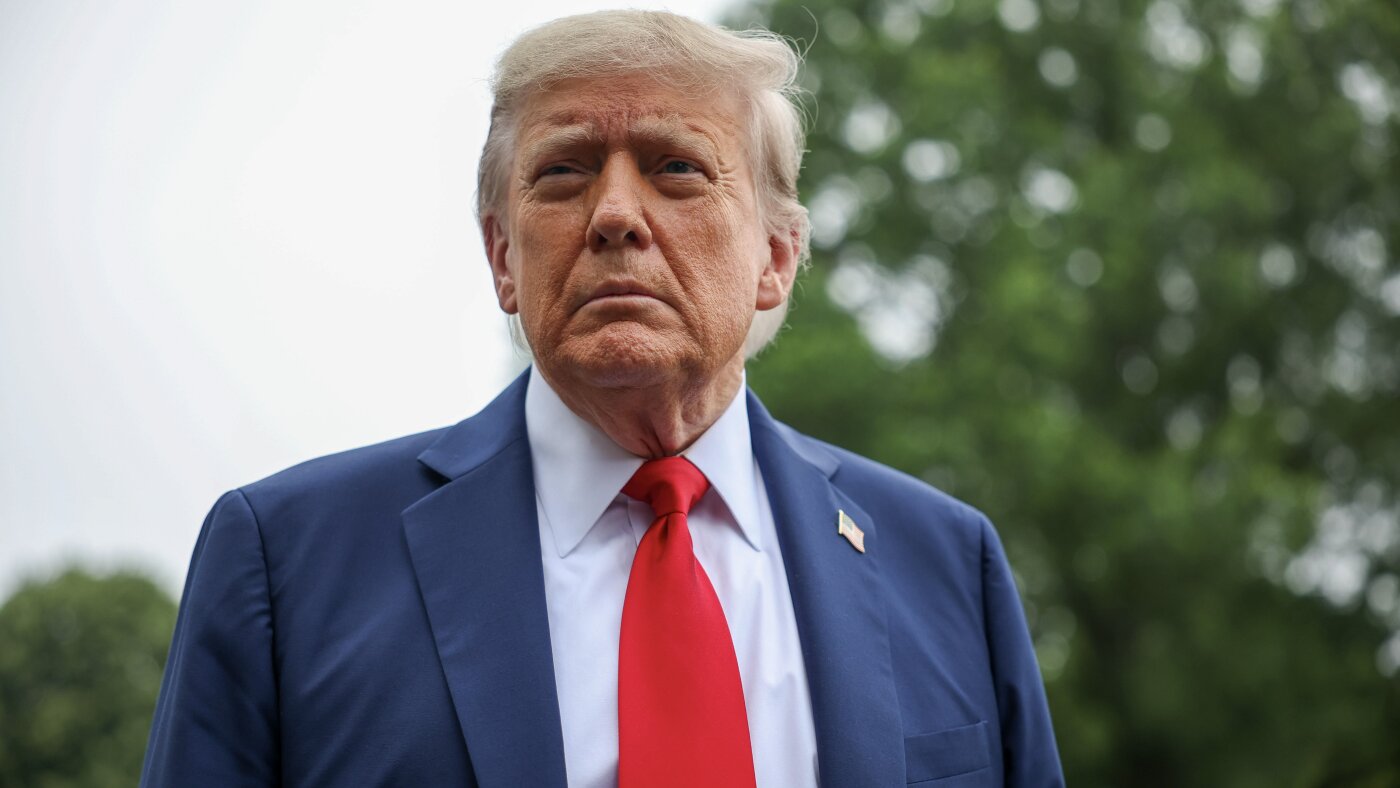
President Trump’s administration introduced a fresh wave of tariffs this week, with rates ranging from 10% to 12.5% applied across numerous countries. These levies replace a temporary 10% tariff imposed earlier in the year and took effect after midnight on Friday. Officials contend the new structure is more legally durable, though economists anticipate continued legal challenges.
The tariff increases occur amid existing economic pressures facing American households. Energy costs are rising due to tensions with Iran, with national gasoline prices climbing above $4 per gallon after dipping below that threshold in late June. Mortgage rates have reached their highest levels in nearly a year. Under the new tariff regime, the average rate stands at 11% according to the Budget Lab at Yale University, with projections suggesting households could face an additional annual cost of approximately $1,100.
The policy creates substantial uncertainty for the business sector. While some firms previously obtained refunds after the Supreme Court struck down earlier tariffs, ongoing threats of additional levies and legal battles could deter investment and hiring decisions. Economists warn that businesses require stability to plan expansions and employment commitments, and prolonged tariff uncertainty may constrain capital investment across multiple industries. The administration has signaled potential future duties on pharmaceuticals and additional countries.
Federal Reserve Chair Kevin Warsh, who assumed office in May, faces the challenge of managing inflation concerns while the tariff environment threatens to raise import prices. If inflationary pressures resurface, the Fed may need to increase interest rates despite President Trump’s preference for rate reductions. The Budget Lab projects tariffs will generate $1.9 trillion in revenue, though analysts caution this must be weighed against broader economic costs including slower growth and inflation acceleration.
Globally, the situation has prompted international concerns. The International Monetary Fund recently lowered its economic outlook partly due to anticipated energy cost increases. Nations including Canada face threats of additional tariffs, creating persistent uncertainty in international trade relations.
Article Attribution | Read More at Article Source
Article summary produced by Claude AI