

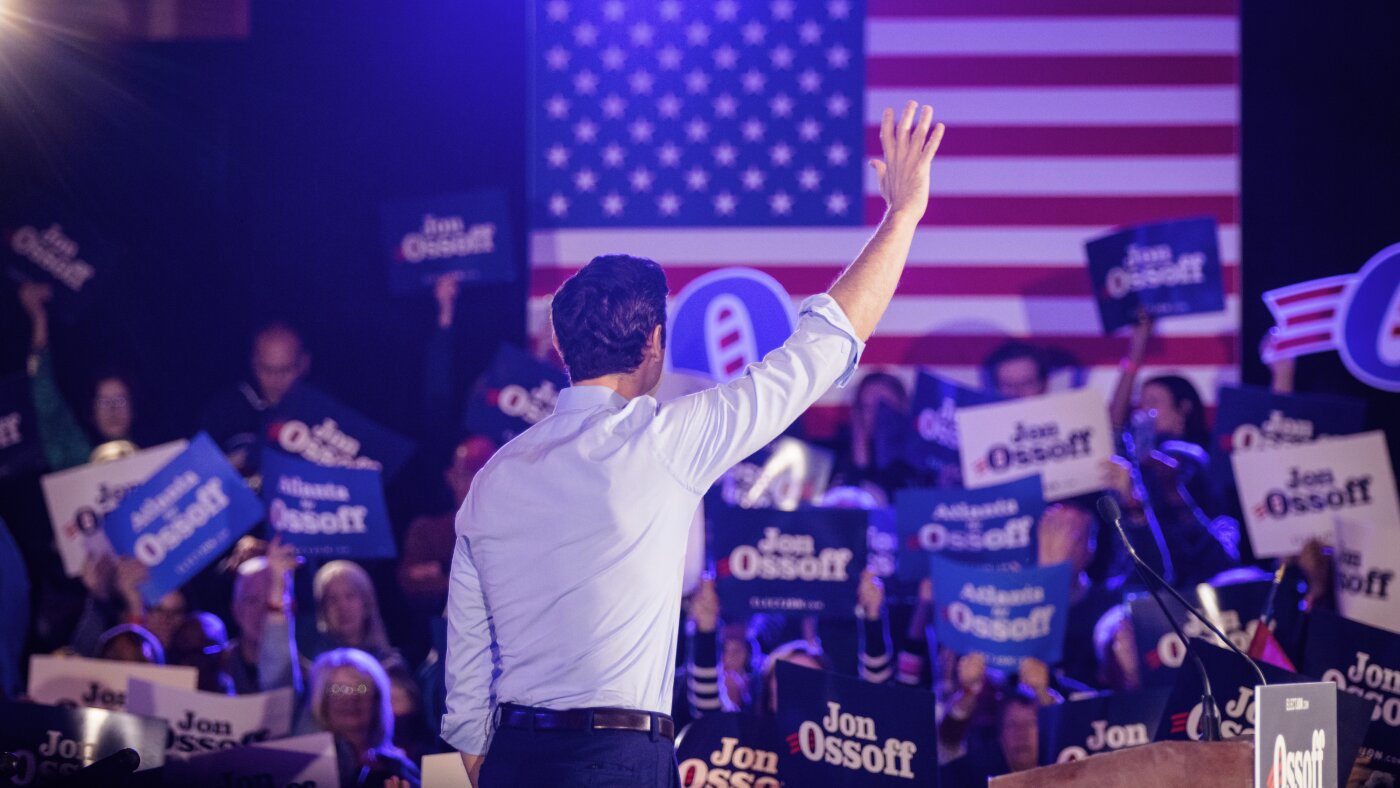
Democratic candidates are making anti-corruption measures a cornerstone of their campaign messaging, responding to widespread voter concern about what they characterize as systemic problems in American politics. Recent polling shows that nearly all Americans, regardless of party affiliation, view corruption as a significant problem affecting government operations.
Democratic leaders have documented numerous financial dealings involving President Trump and his family during his current term, including a settlement preventing IRS audits of the Trump family, stock trades related to administration policies, and cryptocurrency ventures that have substantially increased his net worth. According to estimates, Trump and his family have accumulated approximately $4 billion during the first year of his second term through various business ventures including branded merchandise, media companies, and foreign gifts.
While some Democratic messaging focuses specifically on Trump’s personal financial gains, party strategists are increasingly framing corruption as a broader structural issue affecting the entire political system. Candidates are proposing reforms including prohibitions on congressional stock trading, restrictions on former lawmakers becoming lobbyists, and term limits for members of Congress and Supreme Court Justices. These proposals have gained traction as Democrats connect corruption concerns to voter priorities like healthcare and economic opportunity.
However, Democratic anti-corruption messaging has shown limited effectiveness with swing voters in some cases. Focus groups conducted in Pennsylvania revealed mixed reactions, with some voters dismissing concerns about presidential finances while prioritizing economic issues like the cost of living. Republican operatives have countered Democratic anti-corruption claims by pointing to Democratic fundraising from wealthy donors and criminal charges faced by some Democratic members of Congress.
Some Republican campaigns have also adopted anti-corruption themes, focusing on federal waste and fraud rather than conflicts of interest. The party has proposed limited restrictions on stock trading and oversight investigations into federal spending, though these efforts remain less prominent than Democratic emphasis on the issue.
Article Attribution | Read More at Article Source
Article summary produced by Claude AI