

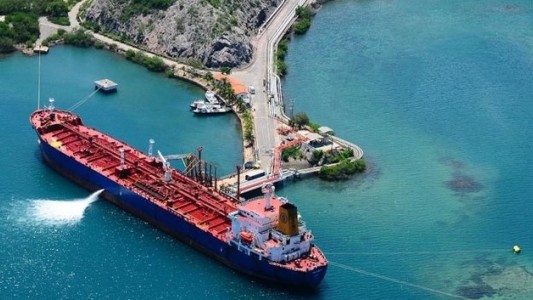
President Trump announced that oil sales from Venezuela have produced more than $13 billion in revenue since the administration gained control of the country’s oil assets following the capture of former President Nicolás Maduro on January 3. Trump characterized the revenue as sufficient to cover the costs associated with the transition multiple times over. The announcement came in response to a Financial Times report published a week prior that detailed the frozen funds held in U.S. Treasury accounts with limited transparency in public reporting.
According to Energy Secretary Chris Wright’s April statement, approximately 150 million barrels of Venezuelan crude had been sold since the seizure of oil assets. The government has shifted the funds from an initial offshore Qatari account to a Citibank account managed by the U.S. Treasury to prevent creditor claims. State Department officials indicated that KPMG conducts ongoing audits of the accounts, though congressional leadership has demanded comprehensive accounting reviews.
When questioned regarding fund allocation, Trump indicated the money supports government operations and suggested potential future appropriations to the U.S. military pending congressional authorization. State Department official Michael Kozak reported to Congress that approximately $3 billion had been distributed for Venezuelan government salaries and oil infrastructure maintenance, leaving roughly $10 billion in unclear status. Meanwhile, disaster relief efforts following Venezuelan earthquakes have received only $386 million in official aid.
Venezuelan oil production has expanded significantly, rising from approximately 820,000 barrels per day in January to 1.23 million barrels per day by June, with exports reaching 1.25 million barrels per day. Major refiners and energy companies, including Phillips 66, Valero Energy, Repsol, Eni, and India’s Reliance Industries, have established direct supply agreements with Venezuelan state oil company PDVSA. The production recovery has been supported by Venezuela’s 2026 Hydrocarbons Law, which reduced state ownership requirements and lowered investment terms. However, consultancy Rystad Energy projects that infrastructure limitations and oilfield service shortages will constrain growth through 2028.
Article Attribution | Read More at Article Source
Article summary produced by Claude AI