

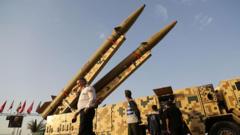
Iran’s missile strike against a US military installation in Jordan earlier this week marked a significant escalation, breaking a period of relative restraint between the two countries and prompting Washington to resume offensive operations inside Iranian territory. The attack raises questions about Tehran’s strategic calculus and objectives in the broader regional conflict.
Analysts suggest that Iran may view a controlled, limited conflict as more advantageous than accepting a ceasefire under current conditions. A prolonged pause in hostilities would leave existing constraints on Iran intact, including a US naval blockade of ports, international sanctions, and continued exclusion from global energy markets. Meanwhile, other regional oil and gas producers could gradually restore normal export operations, potentially leaving Iran in an increasingly isolated economic position. A sustained but limited confrontation, by contrast, allows Iran to maintain disruptive pressure through activities in the Strait of Hormuz and via proxy forces near the Bab al-Mandab strait, affecting global shipping patterns and energy prices.
The calculus reflects broader strategic considerations beyond immediate military concerns. Iran may be attempting to reshape diplomatic negotiations around shipping in the Strait of Hormuz, seeking arrangements that acknowledge Iranian influence rather than a simple return to pre-conflict conditions. Additionally, external conflict can provide domestic political benefits by redirecting public attention from Iran’s serious economic challenges, including high inflation and unemployment, while potentially justifying enhanced security measures.
However, the strategy carries substantial risks. Maintaining calibrated escalation that avoids triggering all-out war proves inherently difficult and uncertain. There are already indicators of widening involvement, with Saudi Arabia conducting strikes against Iran-aligned groups in Iraq and taking military action against Houthi forces. If disruptions to global trade and energy supplies persist, additional countries may shift from neutrality toward supporting stronger measures against Iran. The sustainability of Iran’s limited conflict approach depends heavily on its ability to avoid unexpected actions that could fundamentally alter calculations for the United States and other international actors.
Article Attribution | Read More at Article Source
Article summary produced by Claude AI