

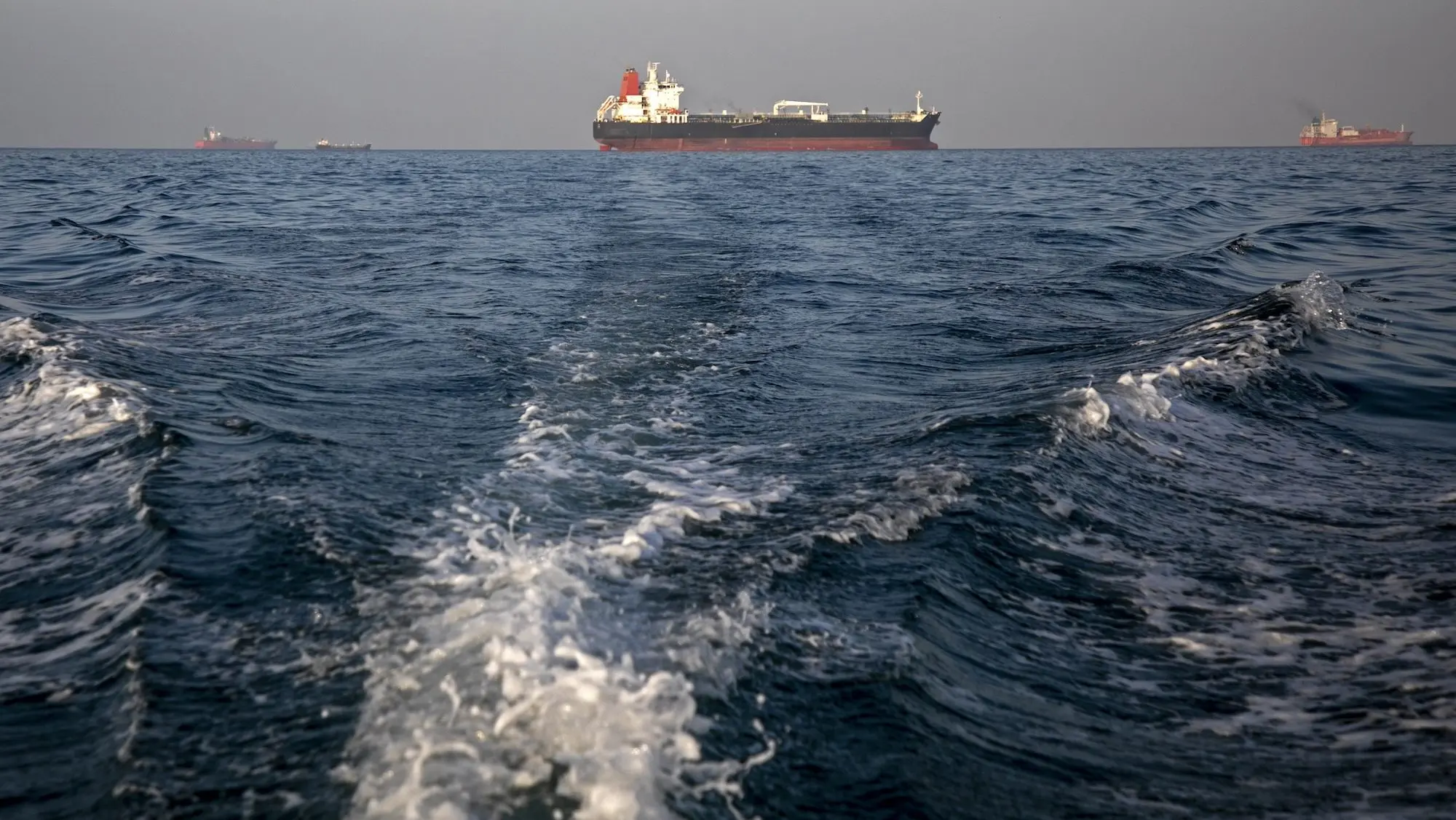
When Iran blockaded the Strait of Hormuz at the start of the 2026 conflict, international observers projected catastrophic energy disruptions. The waterway normally handles approximately 20 percent of globally traded oil, and the closure removed roughly 15 million barrels daily from circulation. Financial institutions and governments had warned of potential recessions, fuel rationing across multiple continents, and oil prices potentially reaching $200 per barrel.
More than four months into the conflict, however, the anticipated crises have not materialized at the scale predicted. While oil prices increased globally and certain products such as cooking oil faced regional shortages, widespread rationing and recession did not occur. Multiple coordinated responses helped stabilize markets. The International Energy Agency coordinated a strategic petroleum reserve release exceeding 400 million barrels in March. Oil-producing nations including the United States, Venezuela, and Norway increased output to meet elevated demand. China suspended purchases for its strategic reserves and domestic refineries, redirecting refined products to other markets while pivoting to coal and solar for electricity generation. Iraq and Saudi Arabia routed additional crude through land pipelines operating below capacity, bypassing the strait entirely.
Demand-side measures proved equally significant in preventing severe disruptions. Over 100 countries implemented conservation strategies ranging from elevator usage restrictions to driving limitations. The Philippines, Pakistan, and Sri Lanka adopted four-day work weeks. Myanmar enforced alternate-day driving schedules based on license plate numbers. Bangladesh lowered air conditioning temperature limits and closed public facilities. Wealthier European nations offered incentives for electric vehicle adoption and reduced public transportation costs.
Despite these successes, the situation remains precarious. Early disruptions caused tangible hardship, including reduced livelihoods for transportation workers and cremation service closures in Myanmar. Agricultural impacts from fertilizer shortages will likely influence food prices later in the year. Other supply chain disruptions affected goods including helium and sulfur, contributing to broader inflation across multiple sectors. U.S. gasoline inventories have fallen to decadal lows as refiners prioritized jet fuel production for airlines.
Analysts caution that the current stability depends on measures now approaching exhaustion. Strategic stockpiles neared depletion, and the U.S. strategic petroleum reserve’s structural integrity faces strain. China resumed purchasing crude for domestic refineries. A tentative ceasefire collapsed, with Iran again declaring the strait closed. Experts suggest that if the blockade persists, oil prices must rise significantly to suppress demand through market mechanisms rather than relying on exhausted emergency supplies and conservation measures.