

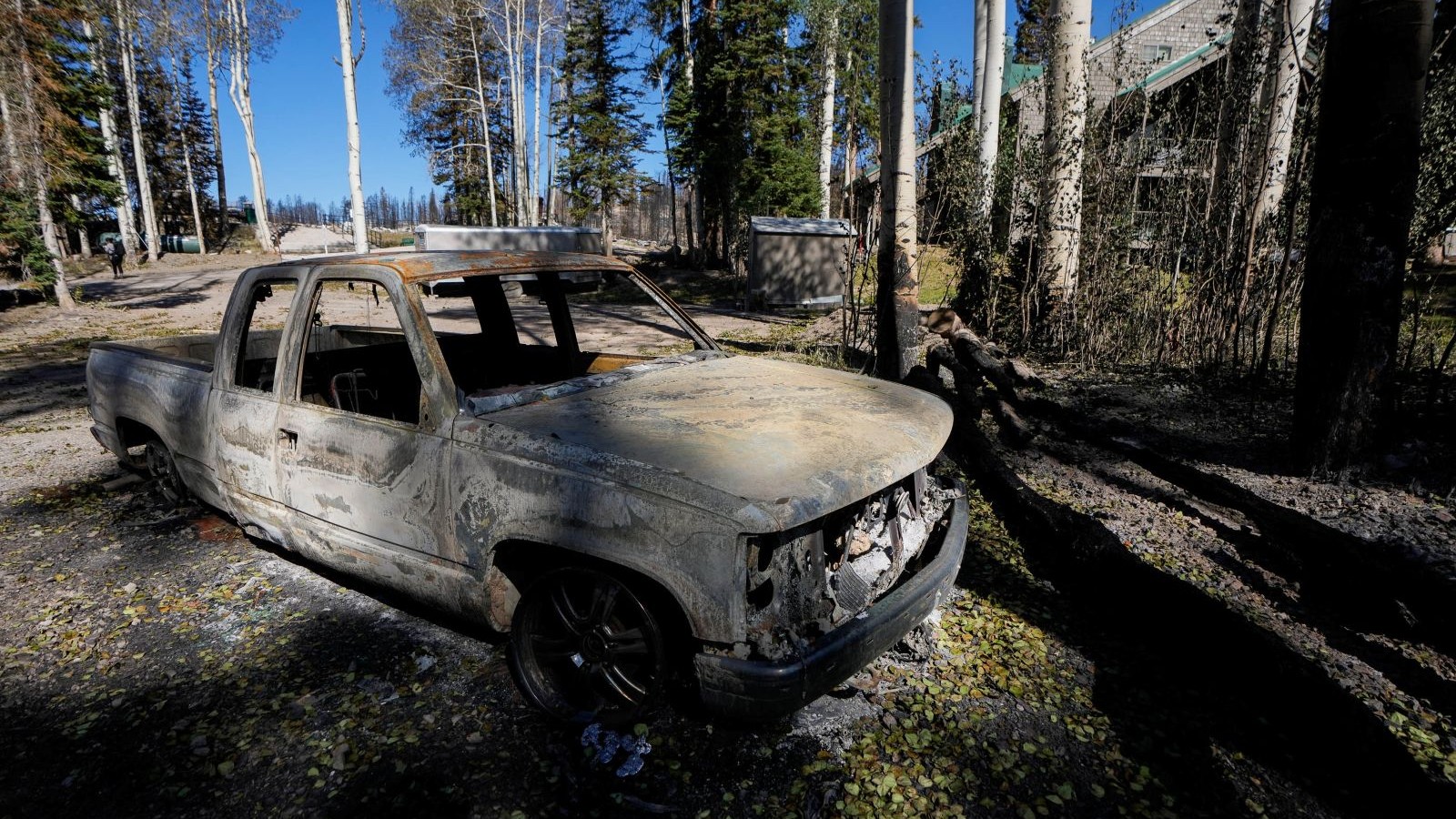
Officials and lawmakers recently surveyed damage from Utah’s Cottonwood Fire, which started on June 22 and had reached 95 percent containment as of late Thursday. The fire burned more than 97,000 acres and ranks among the country’s largest. Members of Congress attributed the severity to insufficient forest management, suggesting that thinning forests and conducting controlled burns could reduce fuel loads and mitigate catastrophic fire spread.
However, climate researchers are raising concerns about the effectiveness of traditional prevention methods in a warming environment. Dominik Kulakowski, a geography professor at Clark University, argues that extreme weather and climate patterns now override fuel management as the dominant factors in wildfire behavior, potentially limiting the ability to manage forest fires through conventional means. Larissa Yocom, a fire ecology professor at Utah State University, acknowledges that current extreme wildfires challenge typical prevention approaches, though she cautions against declaring them the region’s permanent new condition.
Climate change has been the primary driver of wildfire risk in the Western United States over the last two decades, according to the National Oceanic and Atmospheric Administration. A severe winter snow drought in Utah is 14 times more likely in the region compared to the pre-industrial period, according to research released this month. Modern megafires move with such intensity and speed that they can jump highways and breach fire breaks hundreds of yards wide, with embers traveling approximately a mile from active flames.
A bipartisan group of Western lawmakers, including Senator John Curtis of Utah and Senator John Hickenlooper of Colorado, has proposed the “Fix Our Forests Act” to streamline fuel treatments in fire-prone areas. Other experts maintain that traditional forest management remains beneficial, while some researchers suggest allowing controlled burns during milder shoulder seasons could reduce fire intensity. A Trump administration directive this year called for aggressive suppression of all fires, including smaller ones that forests have historically depended upon for ecological health. Researchers note that while individual fire prevention measures around homes can be effective, extreme conditions can overwhelm on-the-ground management efforts.
Article Attribution | Read More at Article Source
Article summary produced by Claude AI