

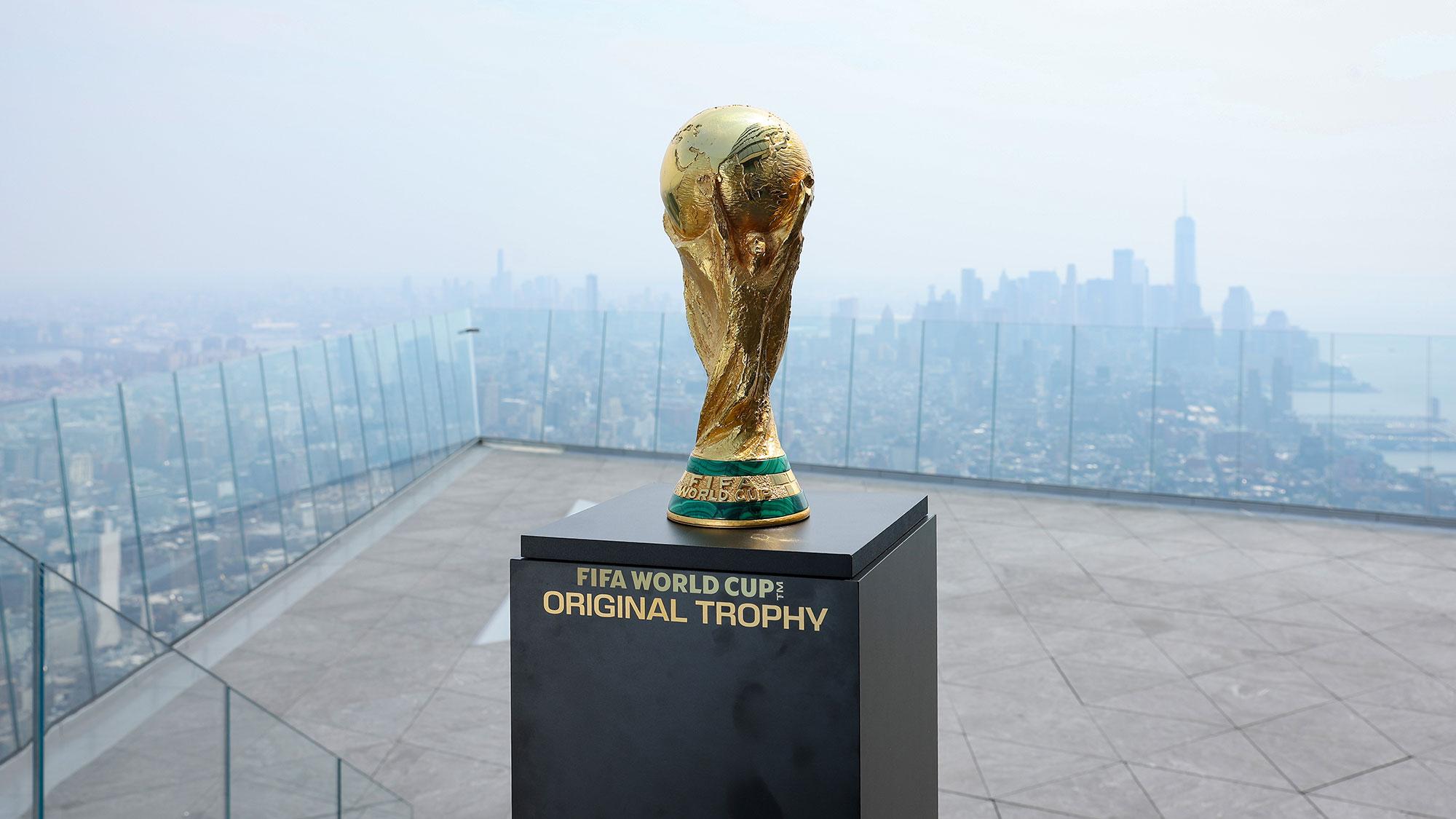
The World Cup final, scheduled to take place Sunday outside New York City between Argentina and Spain, faces potential disruption from wildfire smoke originating in Canada. The smoke has affected air quality across multiple states in the Midwest and East Coast, with some regions experiencing hazardous conditions. As of Friday, the stadium area remained in the unhealthy air quality range, though forecasts suggested improvement to moderate levels by Sunday’s kickoff.
Air quality concerns pose health risks to both players and spectators, particularly for vulnerable populations including children, elderly individuals, and those with respiratory conditions. Athletes performing at high levels can be especially affected due to increased lung activity during competition. In preparation for the match, teams including Spain have conducted outdoor practice sessions during periods of poor air quality.
FIFA has not disclosed any contingency plans to address wildfire smoke, despite having detailed protocols for extreme heat management. Requests for comment from FIFA and New York City health officials went unanswered. Other professional sports leagues have implemented air quality thresholds that trigger increased safety measures or game postponements; the National Women’s Soccer League added hydration breaks during an event affected by the same smoke, while Major League Baseball and Major League Soccer canceled or rescheduled games this week due to air quality concerns.
Experts have raised questions about whether governing bodies are adequately prepared for climate-related threats to outdoor sporting events. Some players and athletes have questioned whether competitions should continue under hazardous conditions, with suggestions that event calendars may need adjustment. Sports management professionals note that while forecasts suggest the World Cup final may proceed unaffected, the situation underscores the need for comprehensive planning across athletic organizations.