

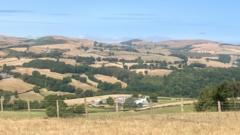
Natural Resources Wales has declared drought status across northern and parts of mid Wales, marking the first such declaration in the UK this summer. The announcement follows a series of severe weather conditions including multiple heatwaves, exceptionally low rainfall—with Wales receiving only about 5% of average July precipitation—and widespread wildfires across the region.
The drought designation applies to areas including North and South Gwynedd, Anglesey, Dee, Clwyd, and Upper Severn. The declaration reflects environmental drought conditions characterized by critically low river flows, diminished groundwater levels, and significant impacts on ecosystems and agriculture. River levels are approaching historic lows, with waterways including the Clwyd, Alwen, Alyn, Clywedog, Dyfi, Conwy, Wye, and Severn all classified as exceptionally low. July is on track to become the driest month in Wales in nearly 190 years if significant rainfall does not occur before month’s end.
The environmental drought has triggered widespread impacts across multiple sectors. Wildlife has suffered from fish kills caused by low water levels and elevated temperatures, with water temperatures in some rivers reaching 28 degrees Celsius. Farming operations face significant challenges, including crop failures, heat-stressed livestock, and depleted water sources. Some farmers report having to transport water from towns to supply their herds, while early harvesting is occurring due to accelerated crop ripening from heat and dry conditions. Representatives from farming unions indicate that yields are expected to be lower than normal.
In response to the drought declaration, Natural Resources Wales has implemented enhanced monitoring of waterways and is releasing additional water from reservoirs to support flows on several major rivers. The rest of mid and south Wales has been classified as being in prolonged dry weather status, representing a preliminary step toward drought designation. Welsh Water separately implemented a hosepipe ban affecting 33,000 properties in west Wales, though officials clarified that environmental drought declarations differ from water supply operational measures based on drinking water capacity and demand.
Authorities have urged residents and businesses to use water carefully during the exceptionally dry period, emphasizing that water conservation directly impacts river flows and aquatic wildlife survival.
Article Attribution | Read More at Article Source
Article summary produced by Claude AI