

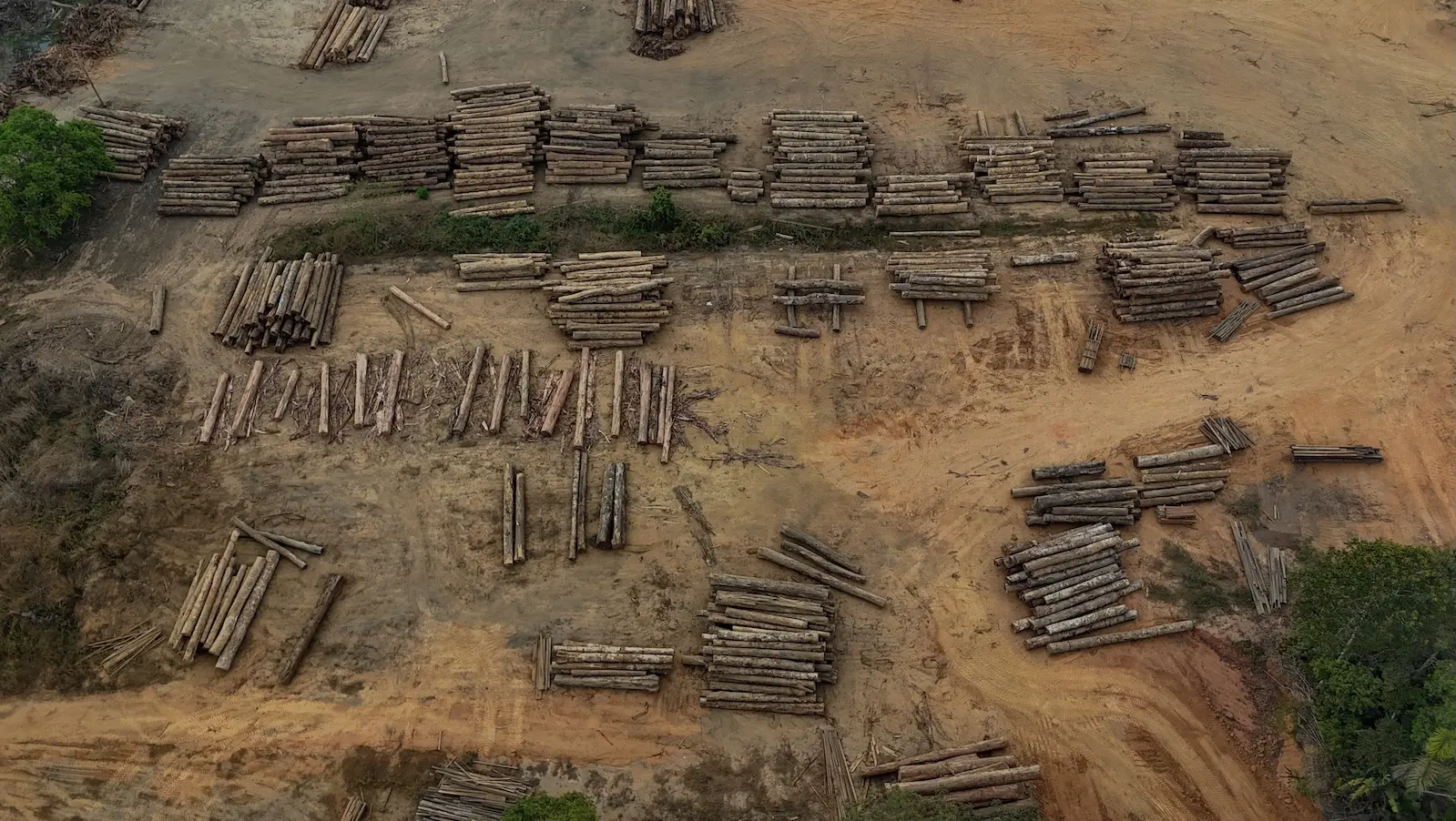
Brazil’s national space agency reported that deforestation in the Amazon has reached its lowest level in a decade, prompting praise for President Luiz Inácio Lula da Silva’s environmental initiatives implemented since taking office in 2023. The administration has intensified enforcement and monitoring efforts while working to increase transparency in the country’s beef industry. However, environmental researchers and advocates express concern that recent developments could reverse this progress.
A significant threat to continued deforestation reduction emerged when multiple agrifood companies withdrew from the Amazon Soy Moratorium in January of this year. The voluntary agreement, which had prohibited the purchase of soy cultivated on land cleared after July 2008, proved highly effective at limiting forest clearing for crop production. According to a paper published last week in Science by researchers from both the U.S. and Brazil, the moratorium’s collapse could result in the loss of approximately 1.4 million hectares of Amazon forest over the next decade as previously deforested lands are converted to soybean cultivation and cattle ranching expands into untouched forest areas.
Private sector commitments to environmental protection have also weakened. JBS, the world’s largest meat producer, recently retreated from its pledge to achieve net-zero deforestation by 2040, with company leadership acknowledging the commitment was aspirational rather than binding. Environmental experts contend that stronger government action is necessary to maintain deforestation reductions, noting that existing regulations such as Brazil’s Forest Code, which limits agricultural land clearing and imposes fines for violations, have not proven sufficiently restrictive.
Other Latin American nations are pursuing measures to combat deforestation. Colombia recently enacted legislation requiring increased transparency in beef supply chains, with government agencies mandated to work with ranchers and meat industry participants to prevent products from illegally deforested lands from entering commerce. Observers view this as a promising development, though implementation challenges remain.
Experts remain skeptical about the durability of current deforestation reductions without enhanced regulatory measures. The upcoming presidential election, in which Lula faces competition including Flávio Bolsonaro, son of former president Jair Bolsonaro, adds uncertainty regarding the continuity of environmental policies.
Article Attribution | Read More at Article Source
Article summary produced by Claude AI