

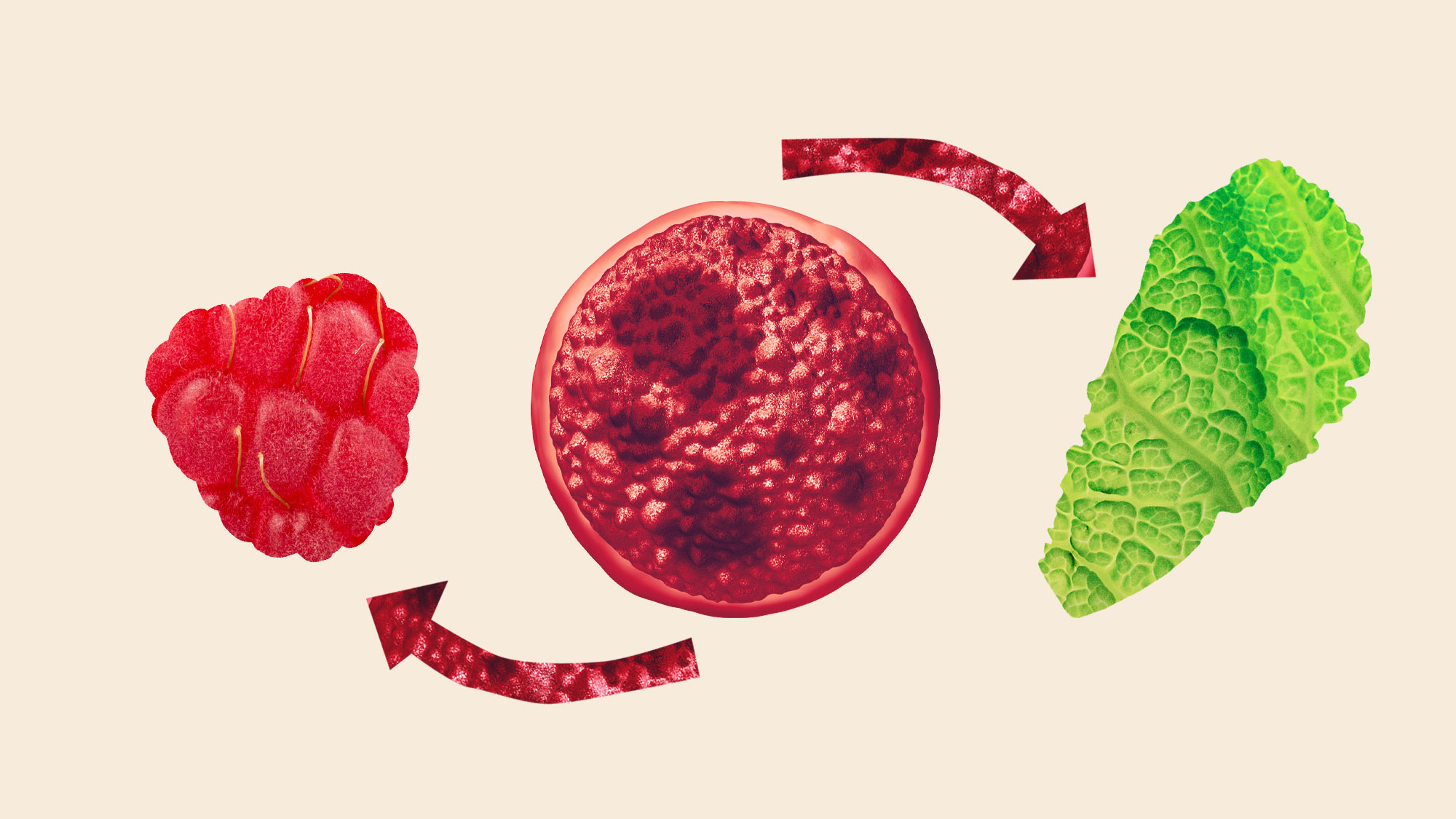
A significant cyclosporiasis outbreak has spread across nine U.S. states, with the Centers for Disease Control and Prevention linking approximately 2,000 cases to contaminated shredded iceberg lettuce produced by Taylor Farms from Mexico. The outbreak began earlier this month when the Food and Drug Administration identified cyclospora on the company’s lettuce, though the agency later described the initial test as a false positive while maintaining an ongoing investigation. Taylor Farms subsequently issued a voluntary recall of affected products. Former federal food-safety officials have criticized the handling of what is now considered the largest known cyclosporiasis outbreak in U.S. history.
Cyclospora is a parasite transmitted through food or water contaminated with human feces. The parasite requires a maturation period of approximately one to two weeks before becoming infectious to humans, which complicates public health tracking efforts. The infection causes severe gastrointestinal symptoms, including persistent diarrhea. It commonly affects produce with textured surfaces, such as leafy greens and berries, though cooking kills the parasite.
Contamination typically occurs through compromised water systems used in agricultural production. Experts identify several potential pathways, including irrigation water exposed to wastewater without adequate filtering, fields located near faulty sanitation systems, and reuse of inadequately treated municipal wastewater. Climate change appears to increase outbreak risks through multiple mechanisms. Warmer temperatures accelerate the parasite’s maturation process, extending the period when cyclospora poses public health threats. Additionally, climate disruption of water cycles intensifies reliance on alternative water sources during droughts, while extreme weather events create conditions for cross-contamination through runoff and flooding.
Research highlights regulatory gaps in food system oversight. A recent U.S. Department of Agriculture study examined lettuce production in Arizona and found that dust from nearby cattle operations transported E. coli to water and soil, demonstrating how industrial agricultural practices and environmental conditions interact to create contamination risks. Advocates note that corporate consolidation and intensive animal confinement further amplify the likelihood of foodborne illness outbreaks, though federal agencies have not substantially acted on available research findings to strengthen preventive measures.
Article Attribution | Read More at Article Source
Article summary produced by Claude AI