

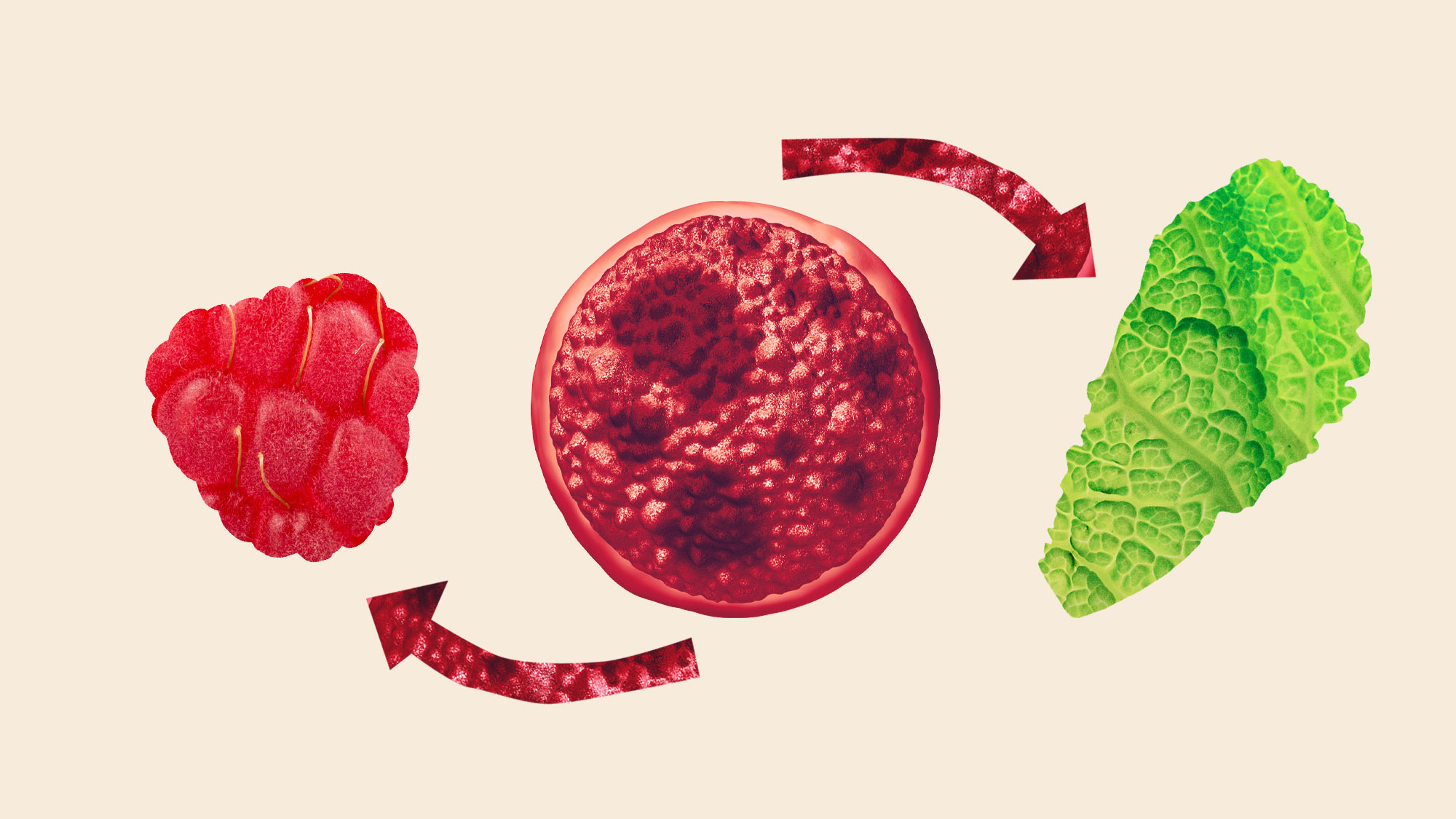
A cyclosporiasis outbreak associated with shredded iceberg lettuce from Taylor Farms has expanded to nine states, with the CDC linking approximately 2,000 cases to contaminated produce, though officials acknowledge this figure likely underestimates actual infections. The outbreak began when the Food and Drug Administration identified cyclospora on lettuce grown in Mexico on July 17, prompting a voluntary recall by the company. The FDA subsequently retracted its statement two days later, characterizing the initial test result as a false positive while noting its investigation remains ongoing.
Cyclosporiasis is caused by a parasite transmitted through food or water contaminated with human feces. The parasite matures over approximately one to two weeks before becoming infectious to humans, creating a lag that complicates outbreak investigations. The infection causes severe gastrointestinal symptoms including persistent diarrhea. Cyclospora particularly affects produce with uneven surfaces like leafy greens and berries, though cooking eliminates the parasite.
Experts identify multiple potential contamination pathways, primarily related to water management in agricultural production. Irrigation water that comes into contact with untreated wastewater or sanitation systems poses significant risk, as does the reuse of inadequately treated municipal wastewater. Storm events and flooding can cause cross-contamination when agricultural fields are located near faulty infrastructure.
Climate change appears to amplify these risks through multiple mechanisms. Rising temperatures accelerate the maturation process that makes cyclospora infectious, extending the seasonal window of vulnerability during increasingly hot summers. Climate-driven disruptions to water cycles—including droughts that prompt farmers to rely on alternative water sources and extreme rainfall events that increase runoff—create conditions favoring pathogen spread. Studies demonstrate similar patterns with other foodborne pathogens, such as research showing how dust from cattle operations can carry E. coli to nearby water and soil.
Regulatory gaps remain concerning, as legal advocates note that the federal government has not adequately implemented recommendations from studies highlighting these risks. Additionally, the consolidation of agricultural production and intensive animal confinement practices may increase the likelihood of additional outbreaks of various foodborne illnesses.
Article Attribution | Read More at Article Source
Article summary produced by Claude AI