

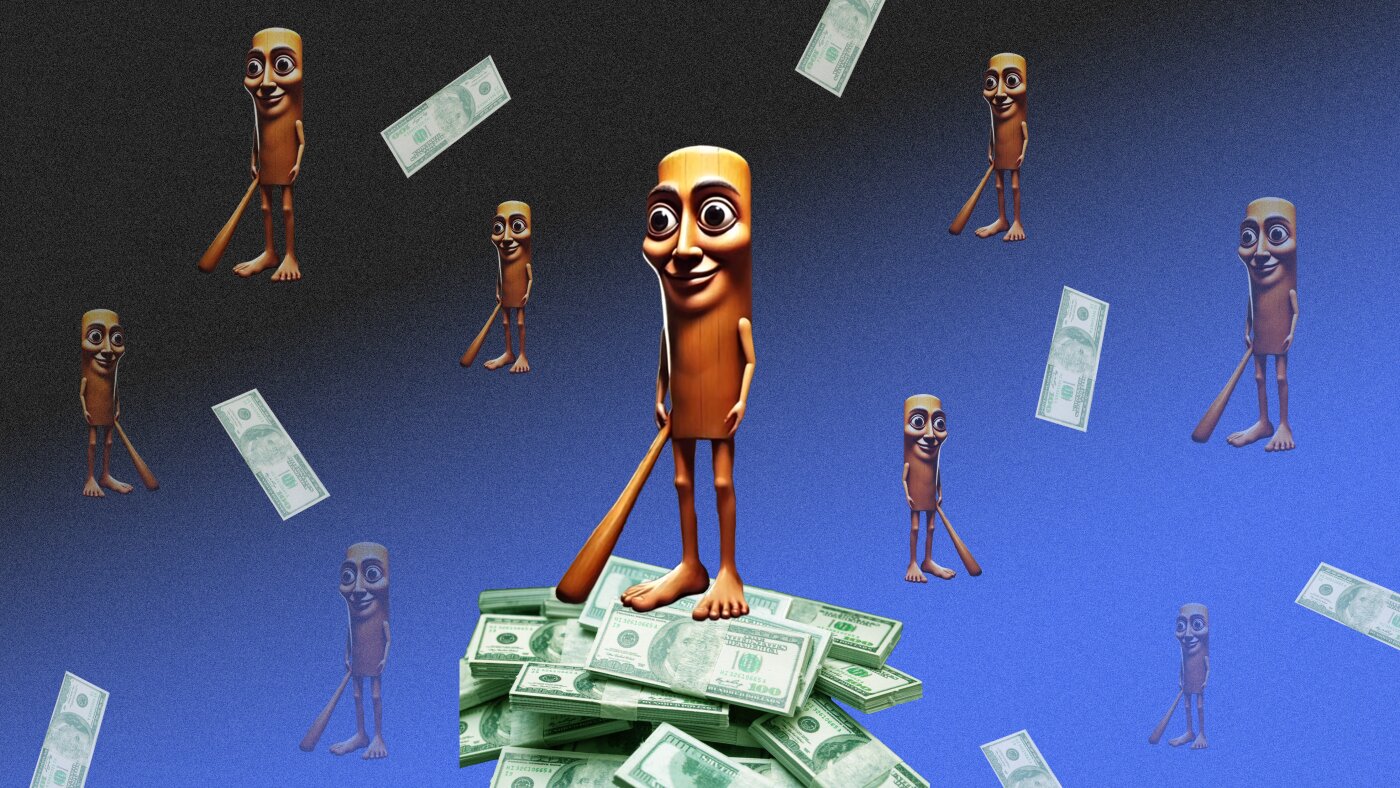
A dispute emerging from California courts centers on the ownership and intellectual property rights of “Italian brainrot” characters, a globally popular category of AI-generated memes that have captured the attention of young audiences worldwide. The characters, which are whimsical and absurdist in nature, have proliferated across social media platforms, YouTube, and video games since early 2025. The legal conflict involves Do Big Studios, developer of the hit Roblox game “Steal a Brainrot,” and Mementum Lab, a French startup representing creators of several characters featured in the game.
The dispute centers on whether artists who use AI image generators to create characters can claim copyright ownership over their work. Do Big Studios argues that AI-generated material cannot be copyrighted because copyright law requires human authorship. The company’s legal representatives contend that because brainrot characters were created through artificial intelligence, they are not protected intellectual property and therefore cannot be owned by anyone. This position challenges Mementum Lab’s claims to ownership rights on behalf of the young creators who developed the characters.
Mementum Lab takes the opposing stance, arguing that the original creators deserve to benefit financially from their work. The dispute centers specifically on Tung Tung Sahur, one of the most recognizable brainrot characters, created by an Indonesian artist named Noxa using seven prompts in an AI image generator. The character is based on the kentongan, a traditional Indonesian drum used during Ramadan to wake people for sahur, the early-morning pre-fast meal. According to Mementum, brainrot characters have become globally recognized and potentially represent hundreds of millions of dollars in revenue.
The case arrives at a critical juncture for AI-generated art copyright protections. Previous legal rulings have established that chatbots cannot be the sole inventors of copyrightable works, while the U.S. Copyright Office has affirmed that AI-assisted work could receive copyright protection if human contributions are deemed sufficient. Legal experts note that courts have not yet clearly defined how much human involvement is necessary for AI-generated material to qualify for copyright protection, leaving this case potentially precedent-setting for future disputes in the rapidly evolving AI art sector.
Article Attribution | Read More at Article Source
Article summary produced by Claude AI