

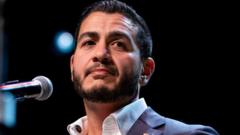
Abdul El-Sayed secured victory in Michigan’s Democratic Senate primary earlier this week, prevailing over congresswoman Haley Stevens in a contest that has reverberated through the national Democratic Party. El-Sayed, a former Michigan health official and child of Egyptian immigrants, campaigned on a progressive platform emphasizing government-sponsored healthcare, drug cost reduction, higher taxes on wealthy individuals, and campaign finance reform. His candidacy received backing from prominent progressive figures including Senators Bernie Sanders and Elizabeth Warren, as well as congresswoman Alexandria Ocasio-Cortez.
Stevens had enjoyed substantial organizational advantages, including support from Democratic leadership in Washington, an established record as an elected official, and significant financial resources totaling $32 million from the American Israel Public Affairs Committee. Outside groups favored Stevens by a nine-to-one margin over El-Sayed. Nevertheless, El-Sayed’s stronger debate performance and appeals to voters regarding reducing money’s influence in politics resonated with primary voters. The victory sets up a general election matchup against former Republican congressman Mike Rogers, who ran unopposed in the Republican primary.
El-Sayed’s narrow primary margin presents challenges for party unity ahead of the general election. The former health official performed well among higher-educated liberal voters but will need to consolidate support among lower-income voters and rural residents who supported Stevens. A general election victory by a self-described left-wing Democrat in the swing state would provide significant momentum to progressive forces within the party and could influence presidential primary dynamics, given Michigan’s status as an early contest on the Democratic calendar.
Tuesday’s primary results across five states reflected broader electoral sentiment three months before the general midterm elections. In other Michigan races, Democratic Socialist Donavan McKinney defeated incumbent Shri Thanedar, while William Lawrence, who has advocated ending U.S. arms sales to Israel, won a House primary in a competitive district. However, support for pro-Israel candidates remained mixed nationally, with congresswoman Marie Gluesenkamp Perez easily defeating a left-wing challenger in Washington state.
Beyond primary contests, voters in Missouri and Kansas rejected ballot measures that would have restricted citizen-initiated constitutional amendments and required appointed supreme court justices to stand for election, respectively. Meanwhile, Trump-endorsed Republican candidates achieved mixed results, with John James winning Michigan’s gubernatorial nomination and Amanda McKinney winning a Washington House primary, though Thomas Smith defeated Trump’s preferred candidate in another Michigan contest despite having previously withdrawn from the race.
Article Attribution | Read More at Article Source
Article summary produced by Claude AI