

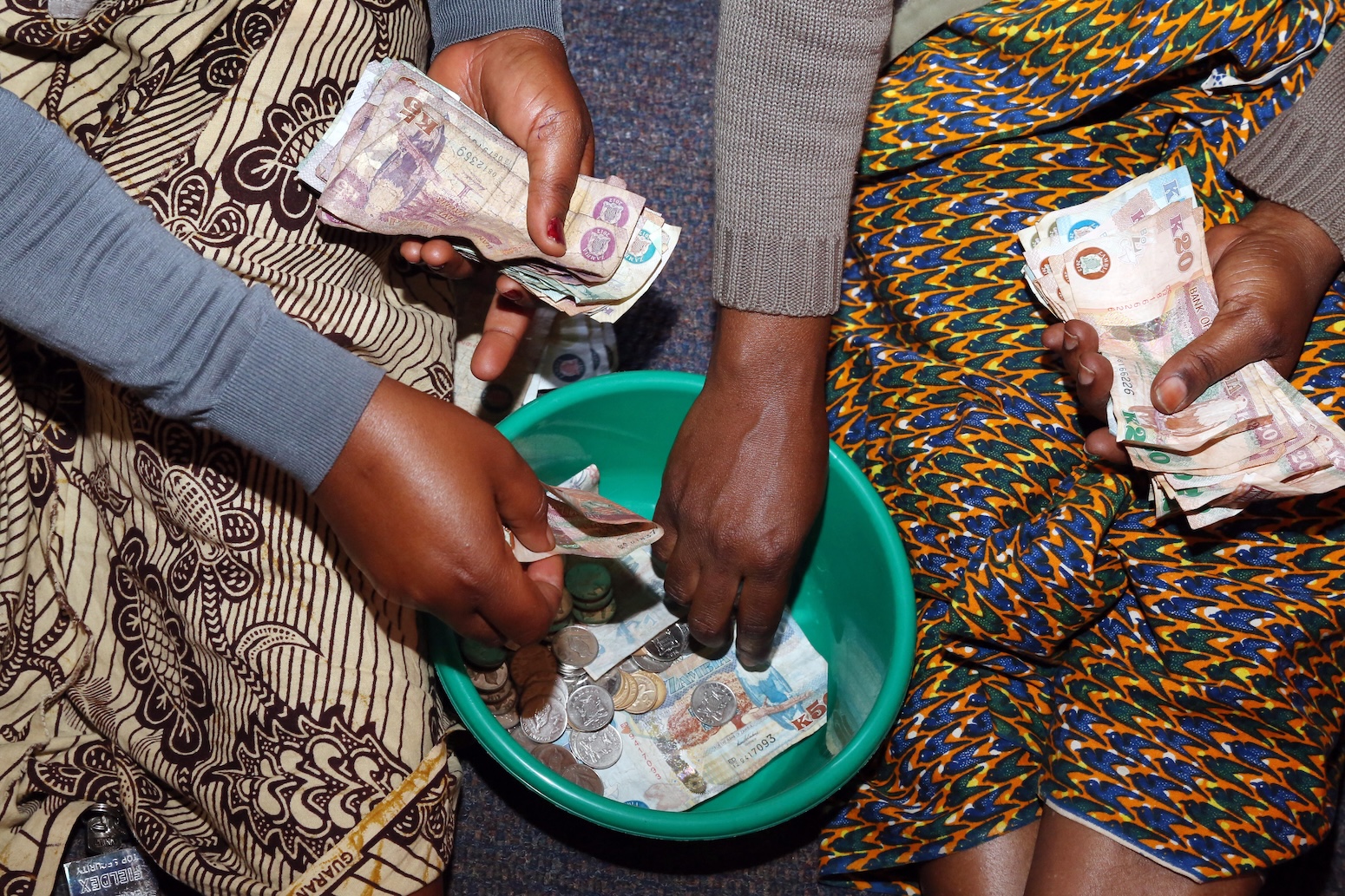
Research published in Climate Risk Management examines how financial inclusion affects climate resilience among women-headed households across sub-Saharan Africa. The study analyzed survey data from approximately 25,511 households across 37 countries in the region, using frameworks from the Organisation for Economic Co-operation and Development to measure financial inclusion and a UN Food and Agriculture Organization metric to assess climate resilience.
The findings indicate that women with formal financial access, such as bank accounts, enable their households to better absorb short-term climate shocks and economic crises triggered by extreme weather events. The research demonstrates that financially empowered women can make decisions about agricultural practices, access emergency credit, and establish community support networks that help households manage immediate climate impacts. However, researchers note significant gender gaps persist in the region, with women’s account ownership at 52 percent as of 2024, compared to a higher rate among men, and the gap between genders widening over recent years.
While financial inclusion improves households’ capacity to respond to immediate climate emergencies, the study emphasizes that long-term climate resilience requires addressing structural and cultural barriers to gender equality. Financial access alone does not fully erase social and cultural constraints limiting women’s empowerment. The authors recommend complementary policies including gender-sensitive agricultural credit programs, subsidized climate insurance for women farmers in vulnerable areas, joint land-titling initiatives, and guaranteed representation for women in local climate adaptation committees.
Experts note that women face disproportionate climate vulnerability due to income disparities, higher displacement rates, and unequal land access. Sub-Saharan Africa remains particularly exposed to intensifying climate impacts including droughts, floods, heatwaves, and food insecurity. The research suggests that comprehensive policy approaches combining financial inclusion with measures addressing systemic gender inequalities could effectively strengthen climate resilience across vulnerable communities in the region.
Article Attribution | Read More at Article Source
Article summary produced by Claude AI