

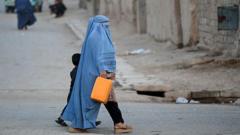
Afghan women and girls have experienced severe restrictions on their freedoms over the past five years since the Taliban’s return to power in 2021, according to interviews conducted by the BBC. The hard-line Islamist regime has systematically eroded the rights of approximately 22 million women through policies including barring girls over 12 from attending school, requiring male chaperones for travel, and implementing laws that enable child marriage. The BBC, one of the few international media organizations maintaining access to the country, spoke with women across Afghanistan from Kabul to rural areas about the impact of these policies.
Education has been severely curtailed, with Afghanistan now being the only country officially banning girls from secondary and higher education. According to UNICEF figures cited by the BBC, approximately 2.6 million girls are unable to attend school beyond Grade 6. When asked about these constraints, Taliban foreign minister Amir Khan Muttaqi claimed women are not totally restricted, noting that three million girls attend schools and religious centers and that women work as teachers, civil servants, and entrepreneurs. Despite these assertions, employment data shows only 7 percent of women in Afghanistan are employed, reflecting widespread exclusion from many workplaces and fields of study.
Healthcare access has deteriorated significantly due to restrictions on treatment by male doctors, contributing to one of the world’s highest maternal mortality rates. Several women interviewed described devastating personal experiences, including deaths of patients who could not access adequate care. Additionally, the Taliban has resumed public corporal punishment, with official records documenting hundreds of floggings since 2021, though actual figures are believed substantially higher. Women subjected to punishment reported severe physical and psychological trauma affecting both themselves and their families.
Despite these hardships, some Afghan women have found ways to maintain agency and hope. Several interviewed expressed determination to pursue education through alternative means, establish businesses to employ other women, and advocate for international support. Young women and girls stated their intention to continue efforts toward independence and education, calling on the global community to maintain attention on their circumstances and support their fundamental rights to work and learning opportunities.
Article Attribution | Read More at Article Source
Article summary produced by Claude AI