

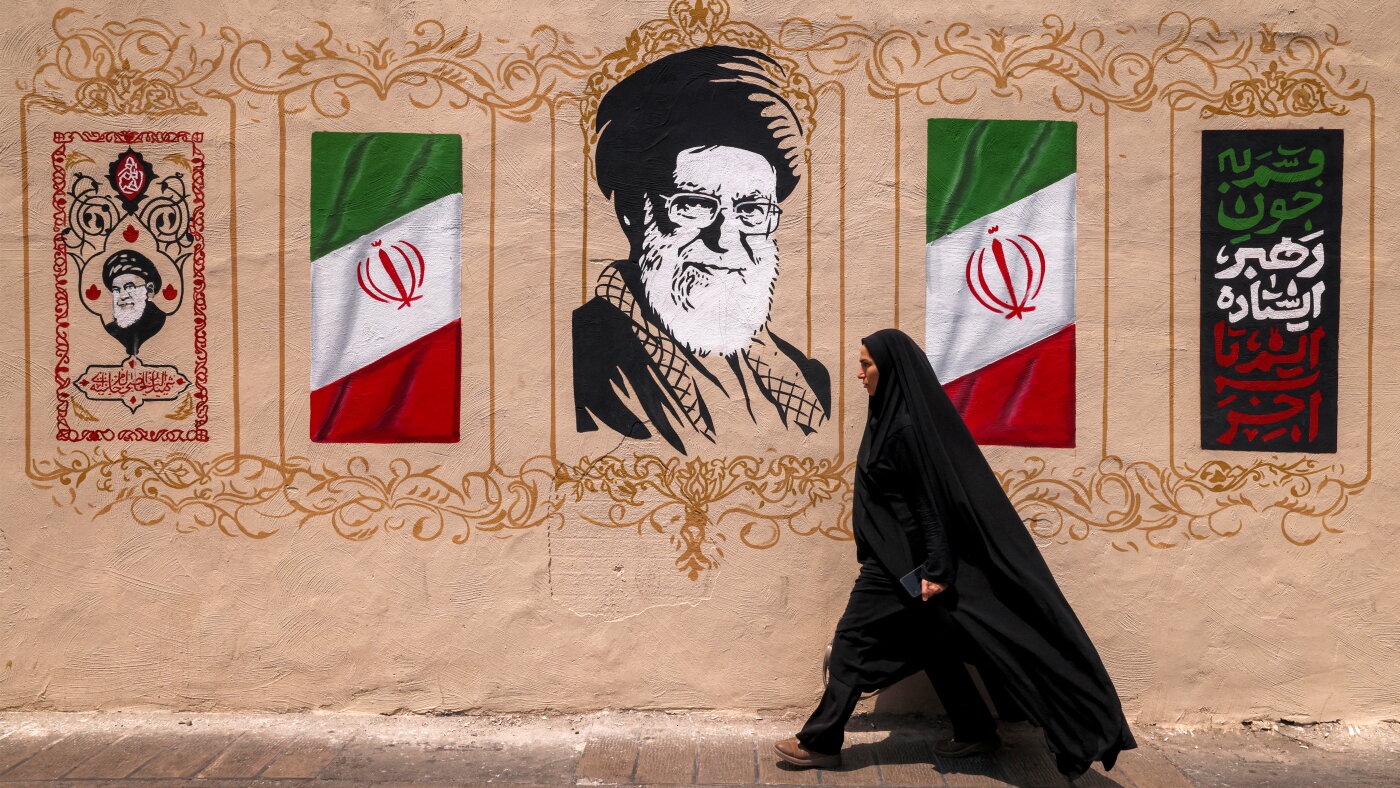
A six-month military conflict between the U.S., Israel, and Iran has resulted in substantial destruction of Iranian military infrastructure but failed to dislodge the ruling government from power. The initial intensive bombing campaign ran from Feb. 28 through a ceasefire declared on April 8, killing dozens of senior Iranian officials including Supreme Leader Ayatollah Ali Khamenei on the war’s opening day. The strikes devastated Iran’s air force, navy, and air defenses, though the country retained portions of its missile and drone capabilities.
The human cost of the conflict has been significant, with 3,375 Iranian deaths and over 33,000 injured according to the World Health Organization. U.S. military losses stood at 18 personnel with hundreds injured, while Israeli and Gulf nation casualties numbered in the dozens. Despite its military degradation, Iran has leveraged control of the Strait of Hormuz—a critical chokepoint for global oil and gas shipments—as a strategic weapon, disrupting international commerce and driving up costs for fuel and other goods worldwide. Negotiations between Iran and Oman over temporarily reopening the waterway have been rejected by the Trump administration.
Economically, Iran faces its worst crisis since the 1980s, with inflation soaring and currency values collapsing. The International Monetary Fund projects a 5.4% economic contraction for the year. This week, the Trump administration announced Operation Economic Outcast to further restrict Iran’s financial access globally. However, analysts note the Iranian regime’s domestic control remains intact, and some senior government figures privately favor returning to negotiations rather than prolonging conflict indefinitely.
Meanwhile, ordinary Iranians struggle with daily hardship, purchasing food on credit and searching for affordable provisions as economic conditions deteriorate. Military analysts suggest the U.S. faces constraints on sustaining intensive bombing campaigns due to munitions depletion, though significant military capacity remains positioned throughout the region.
Article Attribution | Read More at Article Source
Article summary produced by Claude AI