

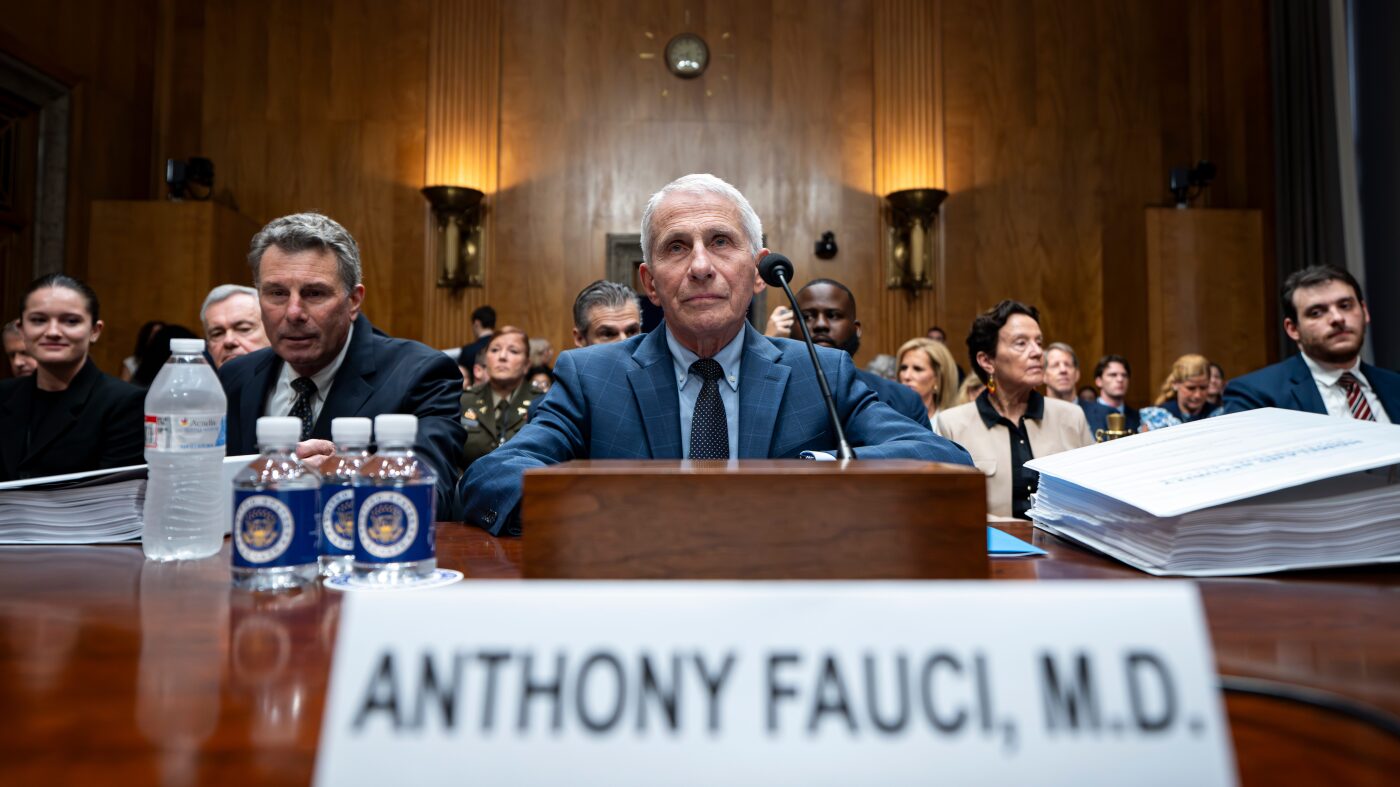
Dr. Anthony Fauci appeared before the Senate Committee on Homeland Security and Governmental Affairs on Wednesday, where he invoked his Fifth Amendment right more than a hundred times when questioned about the origins of the COVID-19 pandemic. Senator Rand Paul subsequently indicated he would seek to hold Fauci in contempt of Congress. The hearing has renewed focus on unproven claims that the SARS-CoV-2 virus originated from a laboratory leak, allegations that Fauci has consistently denied.
Public health officials and researchers have begun expressing concerns that the intensified scrutiny of Fauci and broader political attacks on public health institutions may discourage qualified individuals from entering or remaining in the field. Democratic Senator Andy Kim noted at the hearing that these developments create a “chilling effect” that may dissuade the next generation of researchers and public servants from pursuing careers in public health. Epidemiologist Katelyn Jetelina stated that the proceedings reopen wounds from the pandemic, while others highlighted the departure of skilled professionals from health agencies.
Experts attribute some of the current hostility toward public health institutions to the rise of the “health freedom” movement during the pandemic, when significant portions of the public rejected various medical treatments and public health interventions including vaccinations, masking, and school closures. Nicole Huberfeld, a professor of health law at Boston University, notes that interest in health freedom declined during the Biden presidency but has resurged during the current administration. She indicates that the recent attacks on Fauci, combined with structural changes to agencies like the U.S. Department of Health and Human Services, represent a broader devaluing of the public health field.
Dr. Georges Benjamin, head of the American Public Health Association, reports visible consequences from the erosion of public health capacity, citing the nation’s reduced ability to respond effectively to diseases such as hantavirus, measles, and cyclospora. Experts warn that public health professionals may become reluctant to provide frank, evidence-based guidance to policymakers if they fear political retaliation. Jetelina has observed declining enrollment in public health programs and reports discussions with students about concerns regarding their professional futures in the field.
Experts recommend establishing mechanisms for greater dialogue between health professionals and the public, along with a comprehensive review process similar to the 9/11 Commission to evaluate pandemic response efforts and inform future preparedness strategies.
Article Attribution | Read More at Article Source
Article summary produced by Claude AI