

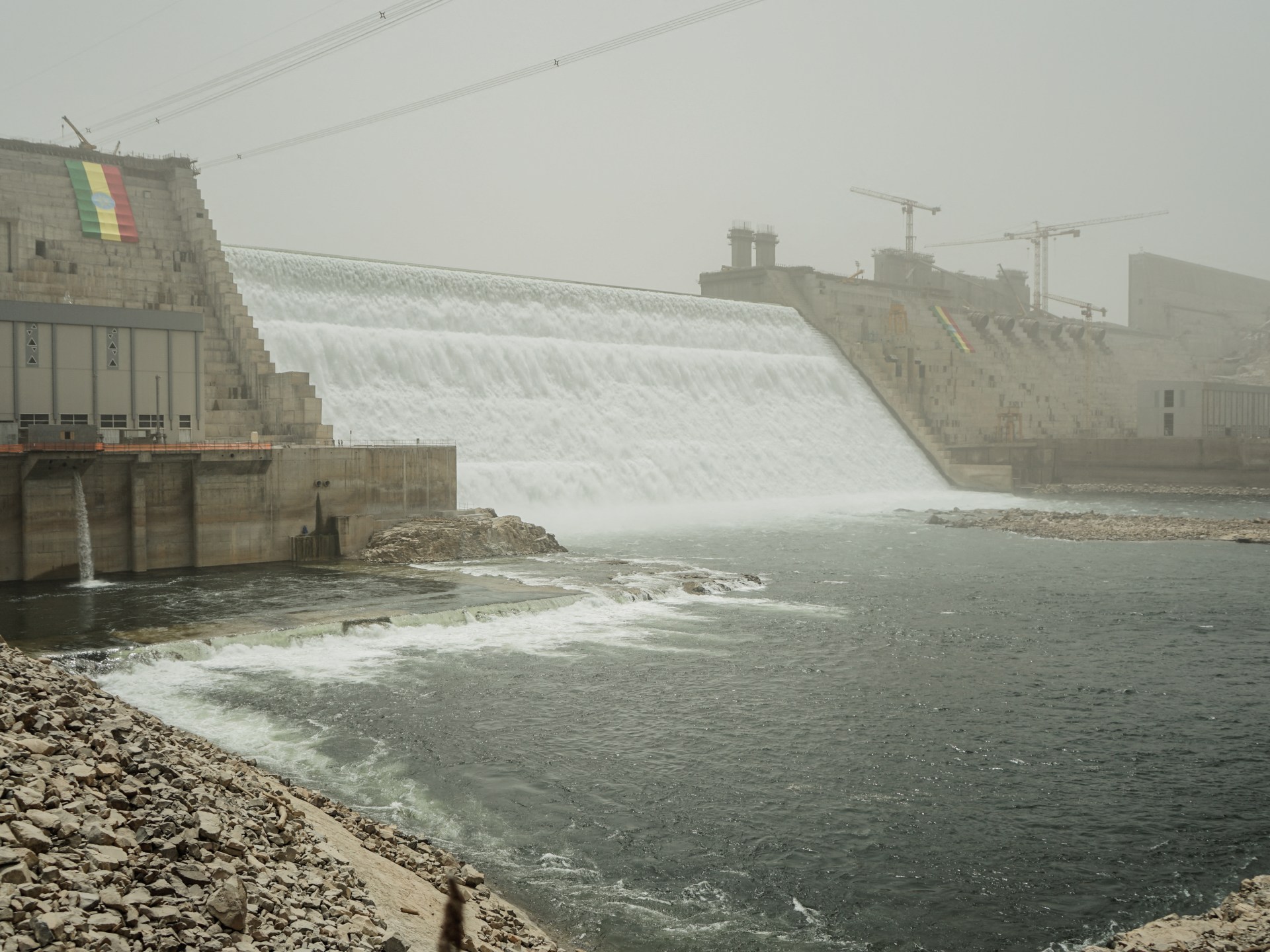
Ethiopia’s announcement in March of plans to advance three Blue Nile hydropower projects—Karadobi, Mandaya, and Beko Abo—marks a new phase in the ongoing regional water management dispute. The combined generating capacity of these facilities has been reported at approximately 5,700 megawatts, though specifications remain subject to change given their early planning stage. This development follows Ethiopia’s inauguration of the Grand Ethiopian Renaissance Dam in September 2025, which proceeded despite years of opposition from Egypt.
For Ethiopia, hydropower development on the Blue Nile represents a critical component of broader economic and energy security objectives, with expansion of electricity generation viewed as essential for a nation where large populations historically lacked reliable access to power. The potential impact of the three proposed projects on downstream nations will depend significantly on their scale, design specifications, and operational parameters. According to analysts, smaller dams focused primarily on electricity generation may have minimal effects on downstream water availability, while projects linked to large-scale irrigation could create greater consequences for Egypt and Sudan.
Egypt’s concerns center on national water security, as the Nile constitutes the country’s primary freshwater source. Cairo has consistently advocated for binding international agreements establishing operational rules, drought management protocols, water release standards, and information-sharing mechanisms. The GERD experience demonstrated that Egypt’s diplomatic pressure could generate international attention but proved insufficient to prevent project completion.
Egypt’s strategy has consequently evolved from attempting to block individual projects toward seeking influence over design, filling schedules, and operational decisions. Sudan’s role remains significant, as the country occupies a geographic position between Ethiopia and Egypt while maintaining its own interests in electricity access and river flow predictability. However, Sudan’s ongoing internal conflict constrains its capacity to serve as an effective diplomatic intermediary.
Analysts characterize Egypt’s leverage over Ethiopia as meaningful but limited, with diplomatic tools, regional alliances, and international legal frameworks representing Cairo’s strongest instruments. The three new projects will test whether Egypt can translate political pressure into substantive influence over Ethiopian dam development, with potential resolution lying in negotiated agreements encompassing transparent information exchange, advance notification protocols, and adaptive management mechanisms.
Article Attribution | Read More at Article Source
Article summary produced by Claude AI