

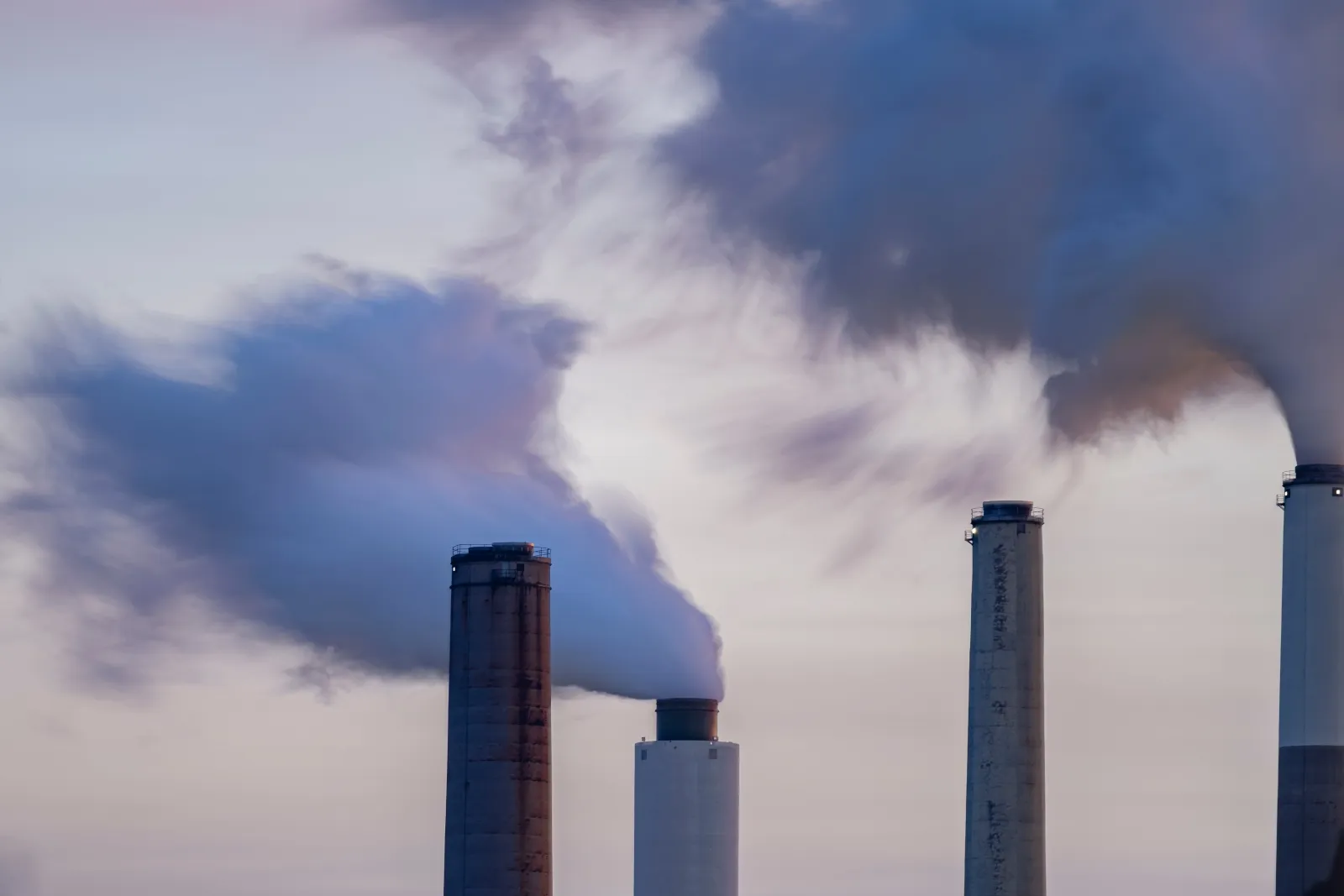
Researchers who formerly worked on sustainability at Microsoft have published findings suggesting that artificial intelligence deployment in the oil and gas sector could substantially increase global greenhouse gas emissions through enhanced productivity and resource extraction.
The study, released in the journal npj Climate Action, employed economic modeling to assess how AI tools functioning as productivity enhancers across fossil fuel operations—from extraction and refining to electricity generation—could affect overall emissions. The analysis indicates that AI-driven productivity gains in the industry could increase global energy-related emissions between 1.2 to 4.8 percent annually. At the lower range, this would approximate Mexico’s total emissions, while higher projections could rival Russia’s output, making it a substantially larger impact than current estimates of emissions from global data center expansion.
The research emphasizes what authors refer to as “enabled emissions”—the indirect greenhouse gas pollution resulting from technology tools that facilitate increased fossil fuel production. The authors argue that technology companies typically track their own operational emissions and supply chain impacts but largely ignore how their systems help accelerate fossil fuel extraction and consumption worldwide. This measurement gap represents a significant blind spot in corporate sustainability accounting.
Recent commercial partnerships illustrate the interconnected relationship between AI infrastructure and fossil fuel production. Chevron and Microsoft announced plans for a substantial power facility in Texas fueled by natural gas to support data center operations, with company officials indicating the arrangement would also enhance Chevron’s internal AI capabilities. The authors characterize such deals as exemplifying how technology and energy sectors reinforce each other’s expansion.
Independent energy researcher Jon Koomey endorsed the study’s methodology and conclusions, noting that while AI can improve data center efficiency by 30 to 40 percent, it simultaneously has potential to make fossil fuel extraction faster and more economical. He emphasized that comprehensive analysis must consider AI’s effects across all industries rather than focusing selectively on renewable energy applications.
Article Attribution | Read More at Article Source
Article summary produced by Claude AI