

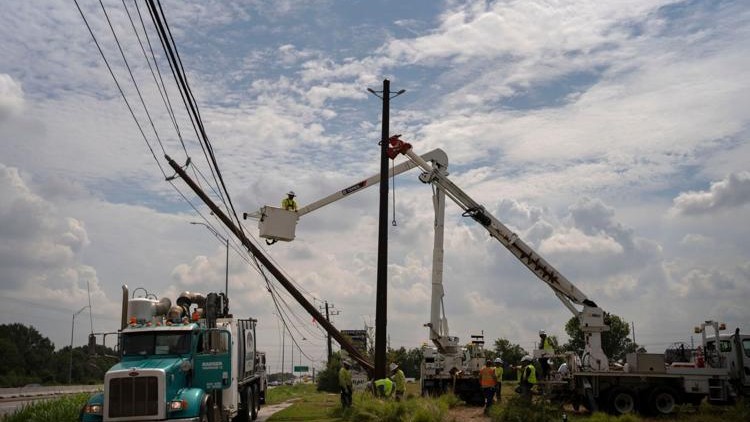
While artificial intelligence data centers consume substantial electricity—expected to rise from around 485 terawatt-hours globally in 2025 to roughly 950 TWh by 2030—the actual constraint facing the industry is not generation capacity but infrastructure inflexibility. Data centers will represent only approximately 3% of worldwide electricity demand by 2030, a manageable portion of global consumption. The real difficulty stems from how AI infrastructure arrives: in very large blocks concentrated in specific geographic regions on timelines of two to three years, while the transmission lines and grid components needed to support them require four to eight years to build.
The geographic concentration of data centers amplifies this problem. Almost half of existing U.S. data-center capacity clusters in five regional areas, with approximately half of currently planned facilities again locating in established clusters. This creates a mismatch between technology companies’ rapid construction capabilities and utilities’ longer-term infrastructure development. The International Energy Agency estimates that roughly 20% of planned data-center projects could face delays without addressing electricity-sector bottlenecks, though renewables, natural gas and nuclear power will collectively meet much of the additional demand.
A potential solution lies in recognizing that not all computing tasks demand equal reliability. While search queries, financial transactions and real-time AI inference services require continuous availability, other workloads like AI training, software testing and data processing can tolerate interruptions or relocation. Google demonstrated this concept in March 2026 by incorporating 1 gigawatt of data-center demand response into utility agreements, temporarily shifting machine-learning workloads when grids experience stress. Such flexibility could reduce pressure on generation and network investments that would otherwise serve only peak periods.
Implementing flexibility requires structural changes to electricity markets and regional planning. Utilities could offer faster grid connections and lower tariffs to data centers demonstrating demand flexibility, while compensating facilities for providing balancing services. Location decisions should incorporate waste heat recovery opportunities, battery storage, backup generation and coordinated demand response before construction begins. Rather than a competition to supply maximum electricity at any cost, the AI power race increasingly favors regions offering the best combination of generation, grid capacity and flexible contractual arrangements that integrate large new consumers without destabilizing the broader electricity system.
Article Attribution | Read More at Article Source
Article summary produced by Claude AI