

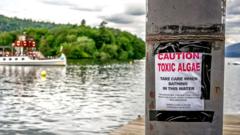
A comprehensive review of England’s waterwater systems by the Environment Agency has found persistent pollution across rivers, lakes and coastal areas, with only approximately 15% of rivers and fewer than 7% of lakes meeting good ecological standards.
The assessment identified multiple sources of contamination, with phosphate from sewage and agricultural runoff representing the most widespread individual problem, affecting roughly half of all rivers. Additionally, legacy pollutants including heavy metals and persistent organic chemicals classified as “forever chemicals” continue to accumulate in waterways. The regulator noted that no waterway successfully passed its separate chemical pollution test, a condition attributed to substances that resist natural breakdown and gradually concentrate over time.
Despite £22 billion allocated for water company environmental improvements through 2030, the overall condition of England’s waters has remained largely unchanged since 2019. The government faces a challenging legal obligation to achieve 77% of waterways reaching good ecological status by 2027, a target the Office for Environmental Protection has indicated will be missed by a substantial margin. The watchdog is currently investigating both governmental and regulatory bodies regarding potential violations of environmental obligations.
Experts and environmental groups have highlighted regulatory gaps as contributing factors to the continued deterioration. Scientists have noted that assessment methodologies may undercount pollution problems by measuring too few substances too infrequently, potentially masking the true extent of contamination. Beyond water company discharges, agricultural operations—particularly intensive poultry farming—have been identified as significant pollution sources that receive less public scrutiny than sewage-related issues.
Environment Secretary Angela Eagle stated the findings demonstrate the necessity for “wholesale change across the water sector” and highlighted new legislation designed to increase accountability. Water UK indicated that companies are implementing record-level investments, while farming representatives urged targeted support for agricultural pollution reduction efforts.
Article Attribution | Read More at Article Source
Article summary produced by Claude AI