

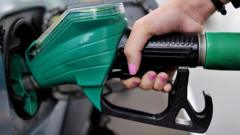
Analysis from Forecourt Eye, a fuel theft prevention company, indicates that fuel stolen from UK forecourts has increased substantially following the outbreak of war in the Middle East. The estimated daily value of stolen fuel reached £194,000 across the five-month period since late February, representing a 48% increase compared with the same timeframe prior to the conflict’s start.
The Middle East conflict disrupted regional oil supplies, causing wholesale prices to rise and subsequently increasing costs at UK petrol pumps. According to Forecourt Eye’s sample of 550 forecourts extrapolated across the UK’s 8,359 locations, the number of daily theft incidents averaged 2,872 following the war’s onset, compared with approximately 2,400 beforehand. The volume of fuel taken without payment increased from an estimated 87,000 litres to 108,900 litres daily. Incidents included customers driving away without attempting payment and those claiming inability to pay after filling their vehicles. Forecourt operators also reported increased abuse, intimidation and violence from frustrated customers during this period.
Fuel prices peaked in April before declining temporarily when the US and Iran agreed to a framework deal in June, but have since risen again following the collapse of peace negotiations. Last week saw petrol prices reach their highest level since the conflict began and the highest since 2022. In response to rising theft, Forecourt Eye announced plans to partner with facial recognition company Facewatch to provide more than 2,000 retailers with free crime reporting technology from autumn.
The situation has drawn government attention, with Chancellor John Healey stating the government would monitor for price gouging, though indicating no significant evidence of widespread practices had been identified. The Petrol Retailers Association has denied accusations of inflated pricing, criticizing the government’s characterization as inflammatory. The Competition and Markets Authority reported in May finding no widespread price gouging evidence, though it initiated investigations into increased fuel margins at specific retailers during February and March.
Article Attribution | Read More at Article Source
Article summary produced by Claude AI