

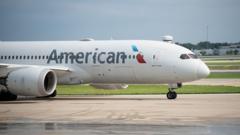
American Airlines announced plans to reinstate seatback displays throughout its domestic aircraft fleet, marking a significant reversal of a decade-long strategy. The carrier had previously removed screens from most Boeing 737s and Airbus A320-family aircraft, reasoning that passengers preferred streaming content on personal devices and that the removal reduced weight and maintenance expenses.
The decision follows sustained passenger complaints about the limitations of relying on personal electronics during flights. Travelers cited issues including battery depletion, poor viewing angles, and inconsistent Wi-Fi connectivity as drawbacks to the device-only approach. The airline indicated the seatback screen restoration forms part of a broader cabin modernization initiative announced this week, which also includes additional premium seating options.
American’s move positions it more competitively against major rivals. Delta and United have maintained robust investments in onboard entertainment systems, while JetBlue has continued offering seatback televisions. Industry analysts note that these competitor offerings have reshaped traveler expectations, transforming in-flight screens from luxury amenities into standard features passengers increasingly expect on domestic routes.
Technological advancement has made the reintroduction economically feasible, with lighter hardware, reduced power consumption, and lower installation costs making screens more justifiable for carriers. The airline stated it will complete full installation of the new displays by early next decade, implementing them as rapidly as feasible. The carrier positioned the upgrades as a strategy to enhance competitiveness and passenger satisfaction while maintaining appeal to cost-conscious travelers in a cooling demand environment.
Article Attribution | Read More at Article Source
Article summary produced by Claude AI