

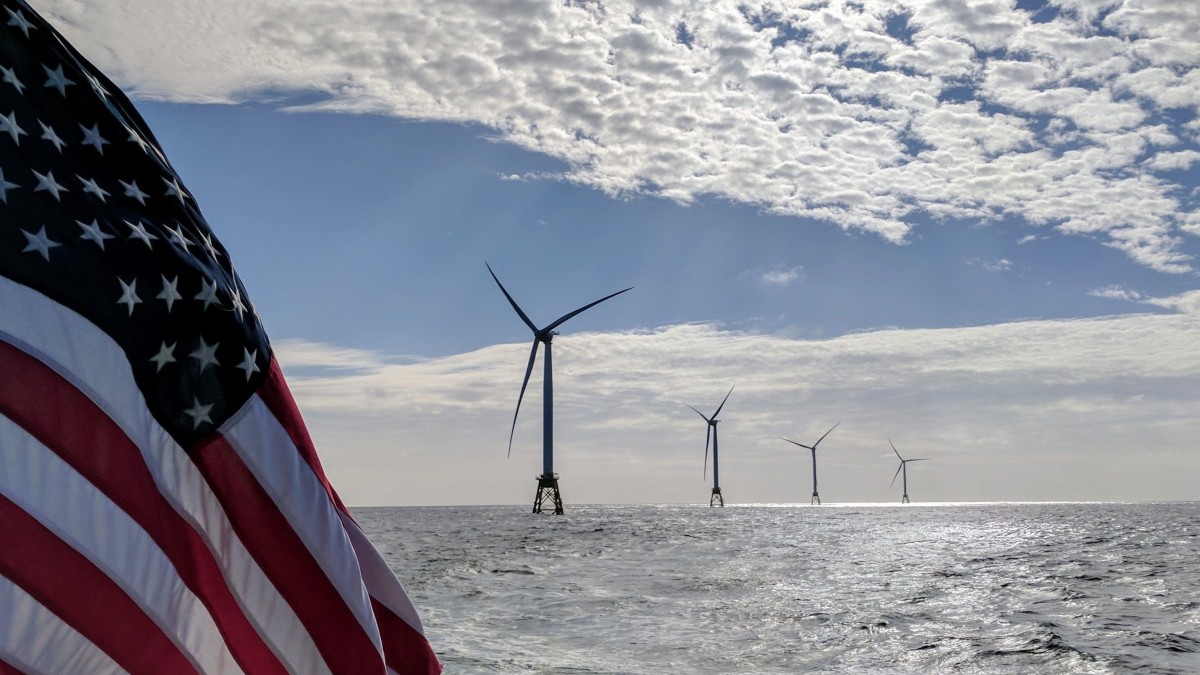
Between March and August, the Department of the Interior concluded a series of settlements with major energy companies including TotalEnergies, Bluepoint Wind, Golden State Wind, Invenergy, Duke Energy, and RWE. These agreements, totaling roughly $3.9 billion, follow a consistent pattern: companies relinquish offshore wind leases and redirect comparable sums into natural gas, liquefied natural gas, or oil infrastructure, with the federal government reimbursing their surrendered lease payments. RWE’s agreement, for instance, provided $1.22 billion to resolve claims tied to leases off New York, California, and Louisiana, with the company committing $900 million to LNG infrastructure and $300 million to gas turbines.
Policy officials have justified the arrangements by noting that offshore wind leases were sold under unrealistic assumptions regarding subsidies, costs, and permitting timelines. The U.S. offshore wind sector has faced significant headwinds from inflation, rising interest rates, supply chain disruptions, and a permitting process that can span a decade. However, the settlements represent government intervention in technology selection rather than market forces choosing one energy source over another. The agreements make reimbursement contingent on investment in specific fuel types, effectively socializing the cost of retreat from renewable development.
A striking contradiction emerges when examining these companies’ operations abroad. RWE recently secured contracts for offshore wind projects representing up to 6.9 gigawatts of capacity in the United Kingdom, suggesting the company views offshore wind as viable internationally. The company’s retreat from U.S. offshore wind appears driven by permitting obstacles rather than fundamental doubts about wind technology. Meanwhile, the broader American power market continues moving toward renewable sources, with the Energy Information Administration projecting record utility-scale generating capacity additions, predominantly comprising solar (51 percent), batteries (28 percent), and wind (14 percent).
The policy carries broader implications for industrial capacity and global competitiveness. China invested over $625 billion in clean energy in 2024 and now controls approximately 85 percent of solar manufacturing capacity and 80 percent of lithium-ion battery production. Between 2022 and 2024, the American offshore wind industry had invested more than $6.8 billion in manufacturing facilities, ports, vessels, and transmission infrastructure. Supply chains relocate when political certainty disappears, risking U.S. expertise in marine engineering, specialized vessels, subsea cables, and turbine components. The settlements signal to companies that American energy policy can reverse direction with political shifts, potentially discouraging long-term investment in developing industrial capabilities and supply chains.
Article Attribution | Read More at Article Source
Article summary produced by Claude AI