

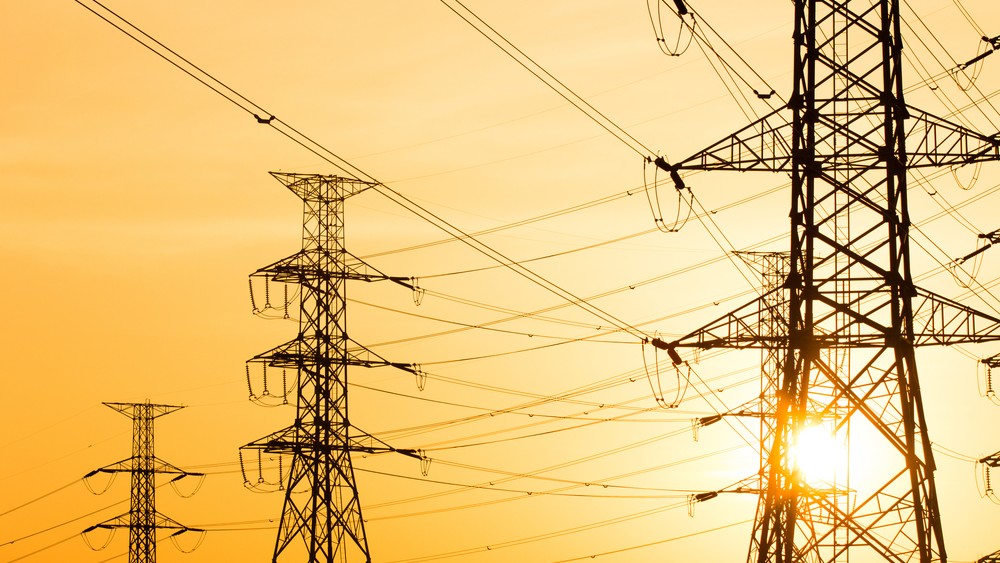
The American electrical grid is experiencing unprecedented stress from multiple converging factors, according to recent assessments and energy analysts. Rapid electrification of the economy, coupled with soaring demand from artificial intelligence and data center expansion, is straining transmission infrastructure across the country. A reliability assessment released in January identified that 60 percent of U.S. grid regions face elevated or high risk of being unable to meet electricity demand within the next few years, with densely populated areas including New York and Pennsylvania among the vulnerable regions.
The consequences of grid strain extend beyond economic concerns to public health and safety. During periods of peak demand—typically triggered by extreme weather events requiring heating or cooling—overloaded transmission lines risk equipment failure and power outages. Historical data indicates that air conditioning systems prevent approximately 190,000 deaths annually in the United States, underscoring the critical nature of reliable electricity access during temperature extremes.
Analysts have identified several key drivers of the current grid crisis. Electricity consumption in the United States is projected to grow by nearly 2 percent annually, more than double the rate of the previous decade, largely due to artificial intelligence infrastructure development. Additionally, the transition toward intermittent renewable energy sources like wind and solar has accelerated faster than supporting battery storage capacity and transmission infrastructure can accommodate.
Transmission development faces substantial obstacles, with nearly 390 of approximately 900 planned projects experiencing delays from their originally scheduled completion dates. Supply chain disruptions, permitting challenges, and planning complications have extended timelines for grid expansion. The interconnection process for new generators has become increasingly complex as renewable energy providers and technology companies compete for grid access, further slowing capacity additions.
Energy experts emphasize that coordinated reforms are necessary to address these challenges. Proposed solutions include streamlining interconnection procedures, planning transmission infrastructure based on anticipated future needs rather than reactive approaches, and strengthening connections between fragmented regional grids. However, implementing such broad-based reforms across the nation’s complex and diverse energy systems remains a significant coordination challenge.
Article Attribution | Read More at Article Source
Article summary produced by Claude AI