

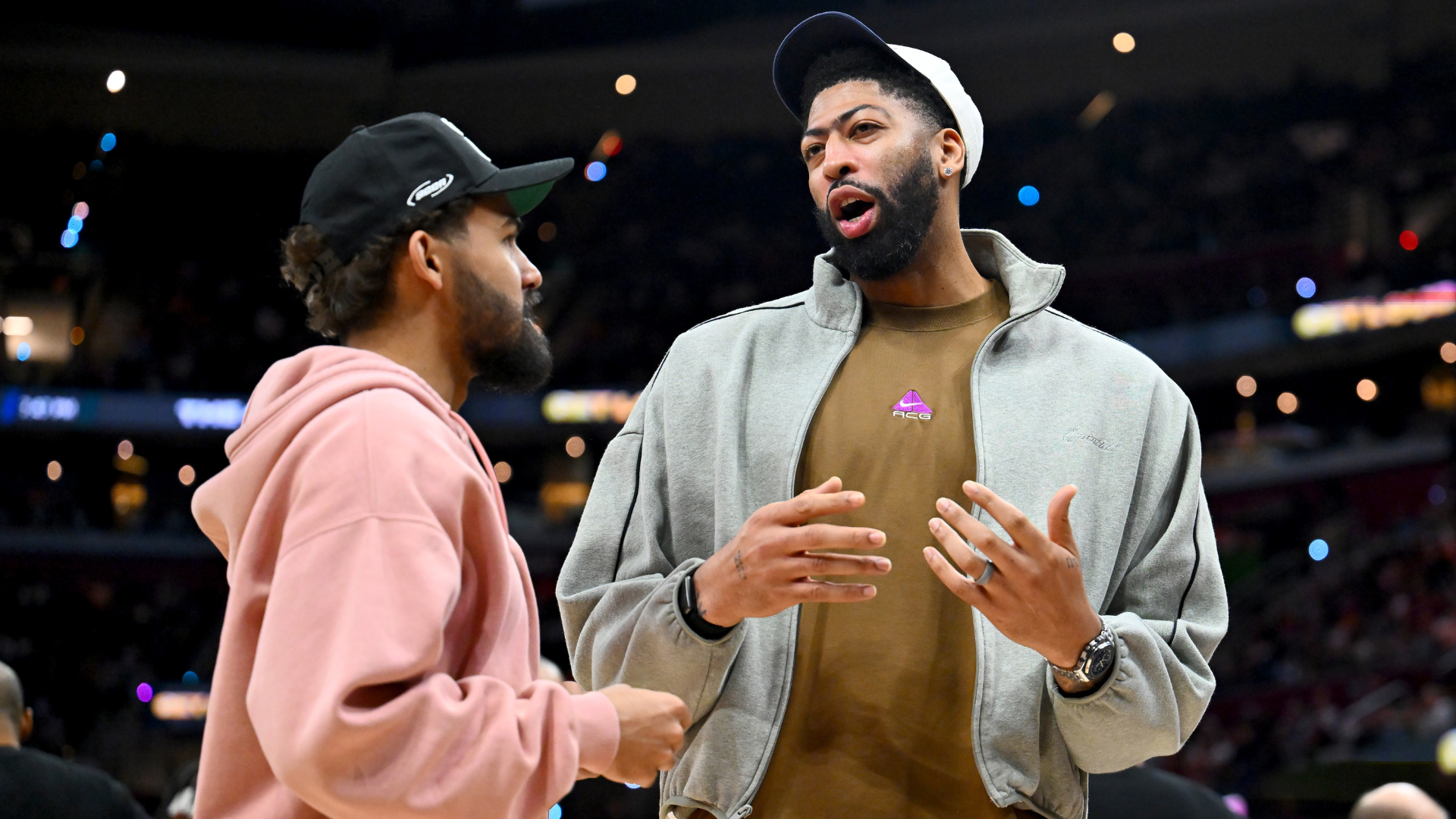
Anthony Davis, acquired by the Washington Wizards in February, will become eligible to sign a contract extension this week. The trade deadline deal generated immediate speculation about his future, including reports of interest from LeBron James and suggestions he could be moved again before the 2027-28 season begins. Wizards general manager Will Dawkins indicated the team would discuss extension possibilities in mid-August.
Davis is currently owed approximately $58.5 million for the upcoming season and could extend for up to four additional years valued around $275 million. However, analysts suggest such a figure is unrealistic. At 33 years old, Davis has played only 29 regular-season games since leaving the Los Angeles Lakers 18 months ago, and his injury history remains a concern. Salary evaluation models value him substantially below his current compensation, suggesting any extension must offer significant money to justify his acceptance compared to his existing player option.
A potential template might mirror Rudy Gobert’s 2024 agreement with Minnesota, where the center accepted lower initial salary in exchange for long-term security. Applying similar mathematics to Davis could yield roughly $132 million over three years starting in 2027-28. Yet this comparison has limitations—Davis has not played for Washington yet, making it difficult to assess how he fits with the roster, including newly acquired Trae Young and incoming No. 1 pick AJ Dybantsa.
From a financial perspective, a substantial Davis extension creates complications. When Dybantsa’s rookie contract expires, roster flexibility becomes constrained, limiting the team’s ability to build around their young cornerstone player. The Wizards are not currently championship contenders, projecting for approximately 32.5 wins, suggesting they should prioritize future flexibility over present competitiveness. A lengthy, expensive Davis contract could conflict with that timeline.
The Wizards could alternatively forgo an extension, allowing them to evaluate Davis’s performance during the 2026-27 season and potentially trade him before the deadline or during next offseason. Such an approach carries less financial risk given the modest assets surrendered in the original trade. Given the team’s developing roster and uncertain timeline to contention, waiting appears strategically prudent, though recent decisions like Young’s maximum contract suggest the organization may prioritize immediate competitive steps.
Article Attribution | Read More at Article Source
Article summary produced by Claude AI