

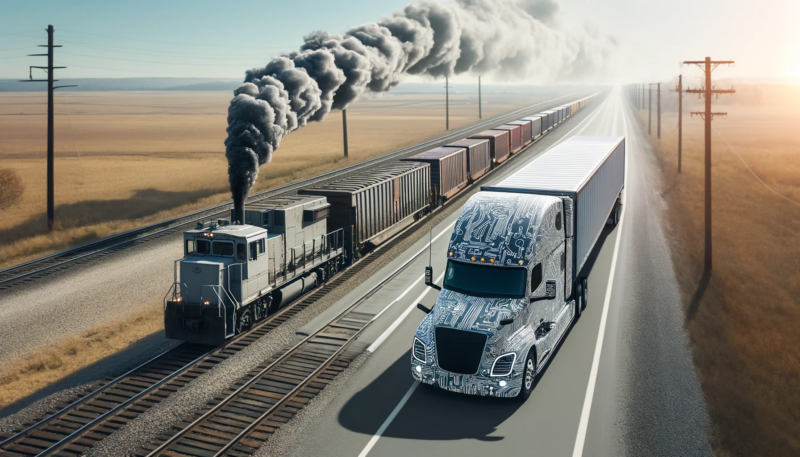
The Trump administration announced the finalization of a rule that will weaken Corporate Average Fuel Economy (CAFE) standards for heavy-duty commercial vehicles. The decision comes amid elevated diesel prices and follows a separate initiative to roll back fuel efficiency requirements for light-duty vehicles.
Heavy-duty trucks account for a substantial portion of transportation sector emissions. Advocates contend that reducing fuel economy standards will constrain the trucking industry’s ability to lower diesel consumption, thereby increasing vulnerability to price volatility in fuel markets. Industry analysts and environmental groups argue that weakened efficiency requirements will result in higher operating costs for fleet operators and ultimately lead to increased expenses passed on to consumers.
The Sierra Club’s Clean Transportation for All Director Katherine García criticized the regulatory change, characterizing it as beneficial to oil industry interests at the expense of truckers and consumers. García noted that oil companies have accumulated over $125 billion in profits during the current year and argued that the policy decision conflicts with efforts to address ongoing affordability challenges. Proponents of stronger efficiency standards maintain that more fuel-efficient vehicles reduce operating expenses, provide economic protection against fuel price fluctuations, and support broader transportation and environmental objectives.
The administration’s approach represents a continuation of its stated policy direction regarding vehicle fuel economy regulations, with implications for both commercial transportation costs and emissions reduction strategies across the sector.
Article Attribution | Read More at Article Source
Article summary produced by Claude AI