

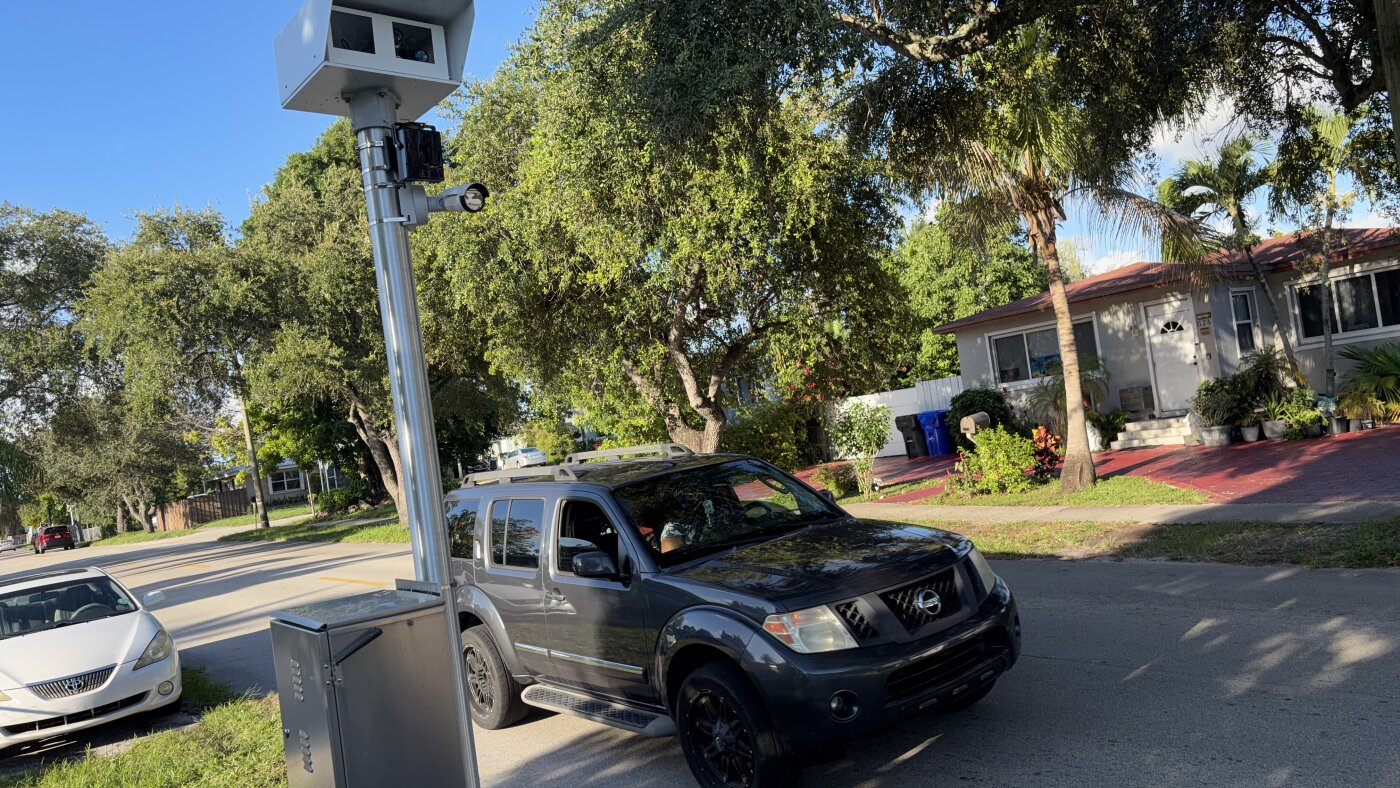
Automated speed cameras have begun appearing in school zones across Florida and are spreading to additional states including California, Hawaii, Michigan, and Minnesota, becoming legal in more than two dozen states. Each jurisdiction has implemented different policies regarding camera placement and revenue allocation. The expansion has generated significant pushback from drivers who question the intentions behind the programs.
Safety advocates present research demonstrating that speed cameras effectively reduce speeding violations and traffic fatalities. According to the Insurance Institute for Highway Safety, cameras can decrease speeding by 70% or more, with one Maryland study finding they reduced serious injury likelihood by 39%. Proponents argue that lower speeds result in less severe crashes when accidents occur.
Opponents contend that speed camera programs prioritize revenue collection over public safety. Critics point to tickets being issued when schools are not in session, suggesting enforcement occurs during times when children are not present. Some legal challenges are underway, with law firms tracking camera locations and disputing citations in court.
The controversy has attracted attention at the federal level. The Federal Highway Administration recently removed speed cameras from its list of proven safety countermeasures, alongside other speed-reduction measures. The agency cited a broader review to align recommendations with current administration priorities, though safety advocates argue this undermines established traffic safety strategies.
Supporters of speed camera programs dispute characterizations of revenue generation. California’s law, for instance, requires all revenue from tickets to fund street safety improvements in areas where citations are issued. The law’s implementation is expected to expand significantly in the coming months when cameras activate in Los Angeles. Some constituents have expressed support, citing concerns about street racing and pedestrian safety.
Article Attribution | Read More at Article Source
Article summary produced by Claude AI