

El-Obeid, the capital of North Kordofan state in central Sudan, is enduring sustained aerial bombardment from unmanned aircraft operated by both sides of the country’s ongoing civil conflict. Residents report experiencing up to 40 drone strikes simultaneously, with attacks occurring indiscriminately across residential areas, schools, markets, and even funeral gatherings. The city’s strategic location along key supply routes between the capital Khartoum and the Darfur region has made it a focal point of fighting between government forces and the paramilitary Rapid Support Forces.
United Nations officials have issued urgent warnings about the deteriorating security situation in el-Obeid, drawing parallels to conditions that preceded mass killings in the city of el-Fasher last year. Investigators documented approximately 6,000 civilian deaths in el-Fasher and determined the violence carried characteristics consistent with genocide. U.N. High Commissioner for Human Rights Volker Türk has called for immediate international action to prevent similar atrocities from occurring in el-Obeid.
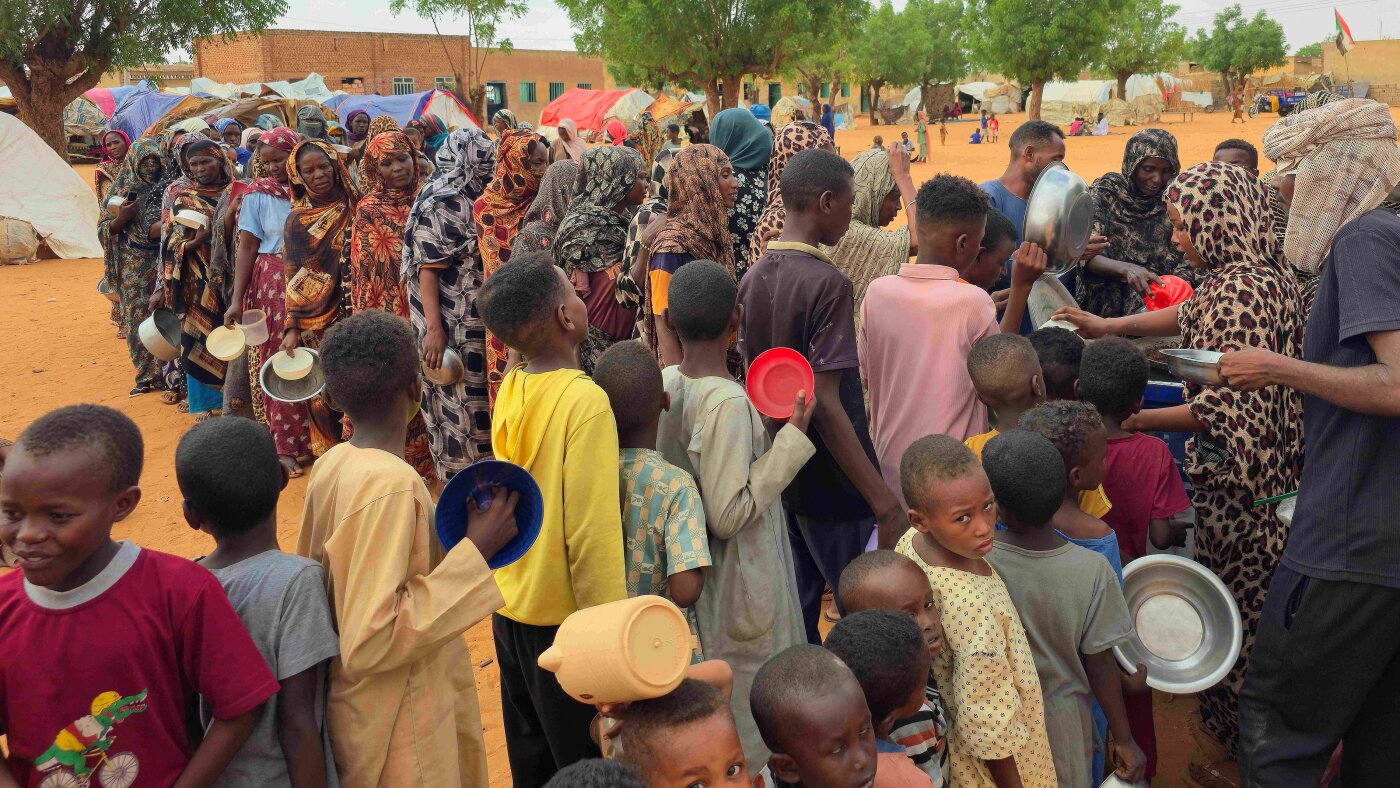
The humanitarian situation in the city has become increasingly dire. Approximately 100,000 displaced persons are sheltering in camps, and a cholera outbreak is spreading rapidly, particularly affecting children. Women and girls undertaking essential water collection efforts face heightened vulnerability to armed violence and sexual assault. Critical infrastructure, including water distribution systems and medical facilities, has been damaged or destroyed by drone strikes, exacerbating public health risks and limiting access to medical care.
The broader context of Sudan’s conflict, which began in 2023, has generated what international organizations describe as the world’s largest humanitarian crisis. The civil war has displaced millions and resulted in tens of thousands of confirmed deaths, with actual casualty figures potentially much higher. International pressure for intervention is mounting, with over 20 U.S. senators recently urging the State Department to take concrete measures to prevent mass atrocities and to reconsider military support arrangements with countries accused of backing the RSF.
Humanitarian funding remains insufficient relative to escalating needs, with aid organizations reporting reduced resources at a time when displacement and disease are expanding rapidly. Analysts note that despite recent military gains by government forces, the prospect for rapid resolution through military means remains remote.
Article Attribution | Read More at Article Source
Article summary produced by Claude AI