

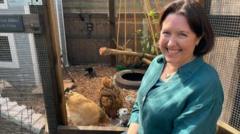
Volunteers in the United Kingdom have begun receiving an experimental vaccine designed to protect against H5N1, a bird flu strain that has caused widespread infections in bird populations and spread to some mammals. The UK Health Security Agency states that the current risk to the human population remains low, with documented cases predominantly occurring among individuals with direct exposure to infected animals.
The vaccine development uses mRNA technology, the same platform employed in current COVID-19 vaccines, which researchers say allows for rapid production and scaling in the event of an outbreak. The trial aims to enroll 4,000 participants across 26 sites in England and Scotland, with additional recruitment in the United States. Recruitment is prioritizing individuals who work in the poultry industry and those aged 65 and older, identified as the populations at highest risk. Clare Howard, a chicken keeper from Hampshire, was among the first to receive the vaccine at a Southampton clinic.
Dr. Rebecca Clark, the trial’s national coordinating investigator, noted that the H5N1 strain continues to evolve and spread across animal species. While human-to-human transmission does not currently occur readily, she emphasized that such transmission must be treated as a realistic possibility. Since 2024, there have been 116 confirmed human cases globally, nearly all connected to close contact with infected animals. The trial will assess the vaccine’s safety and capacity to generate an adequate immune response, with potential licensure contingent on positive results.
Manufacturing capacity exists at Moderna’s facility in Harwell, Oxfordshire, which currently produces COVID vaccines for the UK and can manufacture 100 million doses annually, expandable to 250 million doses in a pandemic scenario. The Coalition for Epidemic Preparedness Innovations has provided £40 million in funding for the trial, with Moderna agreeing to ensure affordable and rapid vaccine access to low and middle-income countries during any future pandemic to prevent the vaccine inequality witnessed during the COVID-19 pandemic.
Article Attribution | Read More at Article Source
Article summary produced by Claude AI