

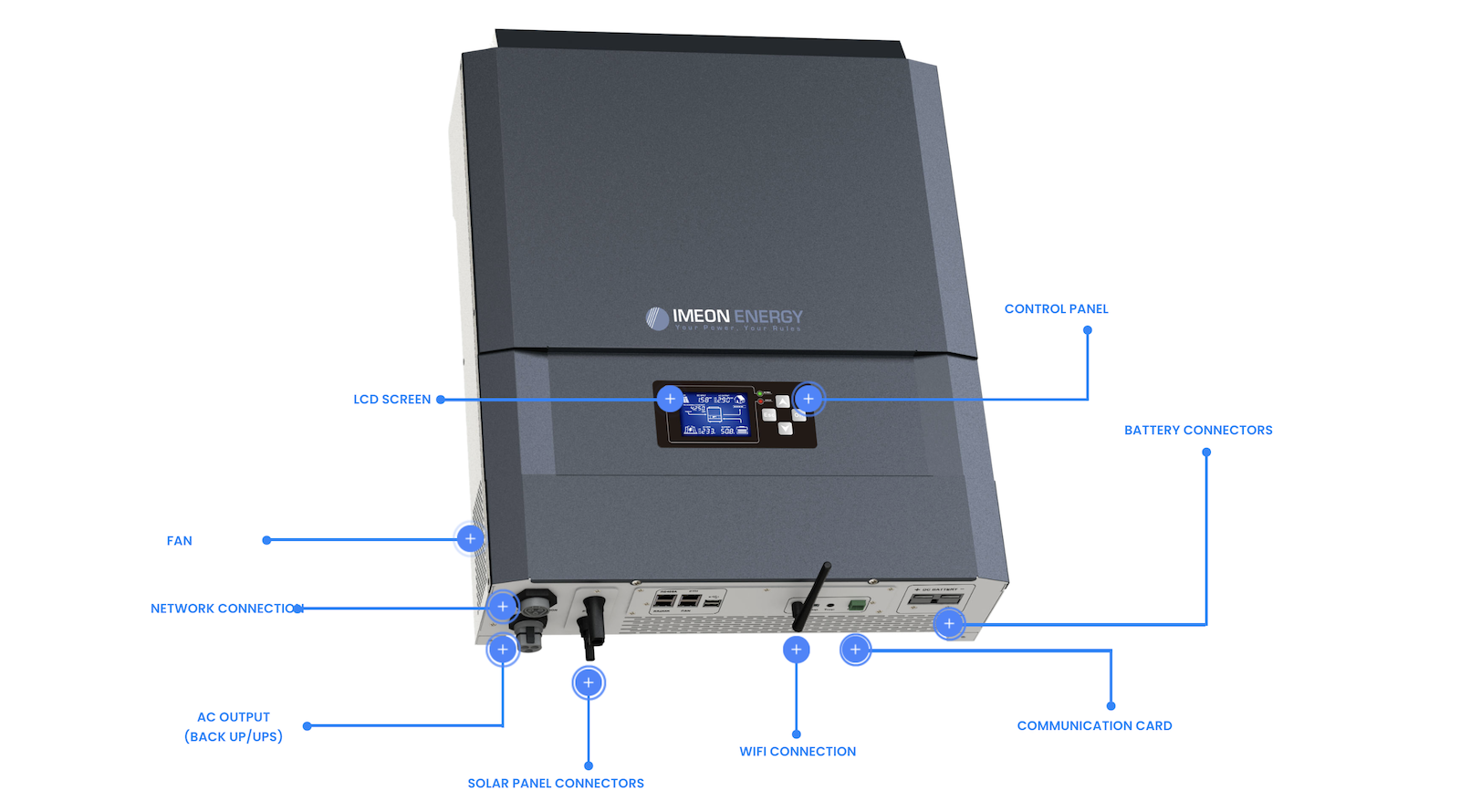
The Federal Communications Commission last week designated foreign-manufactured inverters as items on its “Covered List,” effective immediately preventing importation of new inverter models regardless of country of origin. The agency cited unacceptable risks to national security and safety as justification for the restriction, though previously approved models remain unaffected and operational inverters continue functioning.
The policy restricts access to advanced inverter technologies, including those with improved connectivity and intelligent grid management capabilities. Modern inverters incorporate features that enable real-time communication with electrical grids, allowing distributed solar systems to optimize power generation and support battery storage integration. Additionally, newer inverters utilize silicon carbide solid-state electronics that improve efficiency, reduce copper consumption, and decrease weight during installation. The United States currently lacks the domestic technological capability and supply chain infrastructure to match global efficiency standards in inverter manufacturing.
The import restrictions eliminate price competition and prevent access to global economies of scale in inverter innovation. Without competitive pressure, domestic manufacturers face no incentive to reduce costs or advance technology. The elevated costs of these critical components cascade throughout solar installation systems, compounding affordability challenges that already exist due to existing protectionist policies on solar panels. Higher equipment costs reduce the economic case for electrification and renewable energy adoption, potentially supporting continued fossil fuel consumption as alternative energy becomes relatively more expensive.
Grid reliability and security may be compromised by limiting the number of available inverter systems, according to the analysis. Concentrating the sector among a handful of domestic manufacturers creates vulnerability to natural disasters or economic disruption affecting production capacity. Additionally, restricting systems to those not incorporating the most advanced globally available technology creates security gaps that could expose critical infrastructure. The policy’s net effect combines reduced competition, limited technological progress, increased costs throughout the economy, and weakened incentives for renewable energy adoption.
Article Attribution | Read More at Article Source
Article summary produced by Claude AI