

Bundelkhand, a semi-arid region spanning parts of Uttar Pradesh and Madhya Pradesh, has become increasingly water-stressed due to its geological characteristics and changing climate patterns. The rocky terrain of the Bundelkhand plateau retains little groundwater, and erratic rainfall combined with rising temperatures have made water access unpredictable despite various government and community conservation initiatives. Temperature records spanning more than a century show rising heat across the region, with recent summers reaching near 48C in some areas.
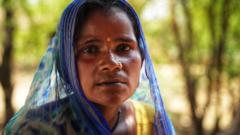
The region’s acute water shortage is intersecting with longstanding caste-based social hierarchies, creating compounded hardship for members of Dalit communities. Residents belonging to lower castes report being required to wait until members of dominant castes finish using public handpumps before they can access water themselves, and describe instances of ritual cleansing of the pumps after their use. This practice has persisted for decades according to accounts from Dalit residents, who describe timing their water collection to early morning or late afternoon hours to avoid confrontations and maintain personal safety.
Local government officials contest these accounts, denying both widespread water shortages and caste-based discrimination at public water sources. Dominant-caste residents acknowledge increasing pressure on water supplies but attribute disputes to general competition during peak collection hours rather than caste-based exclusion. A non-profit organization tracking complaints documented 113 cases filed under India’s caste-based atrocities law in the area in 2025, with the majority occurring during the hottest months of May and June and involving water access disputes.
Researchers studying environmental justice and caste dynamics note that climate change functions as a “threat multiplier” to existing inequalities rather than creating them. Expanding water supplies alone will not resolve underlying disparities if caste continues to determine access patterns, according to experts. The region has implemented various initiatives including the federal Jal Jeevan Mission to provide piped drinking water to rural households and revival of traditional water bodies such as ponds and check dams, alongside women-led community monitoring groups.
Article Attribution | Read More at Article Source
Article summary produced by Claude AI