

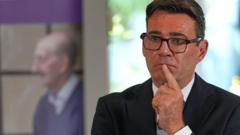
Prime Minister Andy Burnham stated he recognizes the cost-of-living assistance announced so far falls short of addressing household financial pressures. In an interview with BBC’s Wake up to Money, he described his strategy as delivering multiple incremental improvements that collectively reduce strain on family budgets rather than a single comprehensive solution.
Burnham outlined potential future initiatives including a restructuring of rail fares and increased government involvement in essential services such as energy, water, and housing. He acknowledged the complexity of reversing the privatization of water companies in England and Wales, which occurred in the 1980s, but stated he is actively exploring viable options. Similar consideration is being given to energy sector reforms.
The prime minister said he has requested Chancellor John Healey examine additional cost-of-living support measures ahead of the Budget scheduled for 28 October. Healey reportedly indicated this would be a primary focus, though fiscal constraints tied to commitments on defence spending may limit available resources. The government announced a £250 annual bill discount for residents living within 500 metres of upgraded electricity pylons and substations, lasting a decade.
Burnham also addressed business cost pressures, particularly regarding national insurance contributions and minimum wage increases implemented under previous budgets. While expressing a desire to reduce business costs and revitalize high streets, he refrained from making specific commitments outside the Budget framework. Labour’s manifesto pledge to avoid raising taxes for working people, including income tax, VAT, and National Insurance contributions, continues to constrain policy options available to the government.
Article Attribution | Read More at Article Source
Article summary produced by Claude AI