

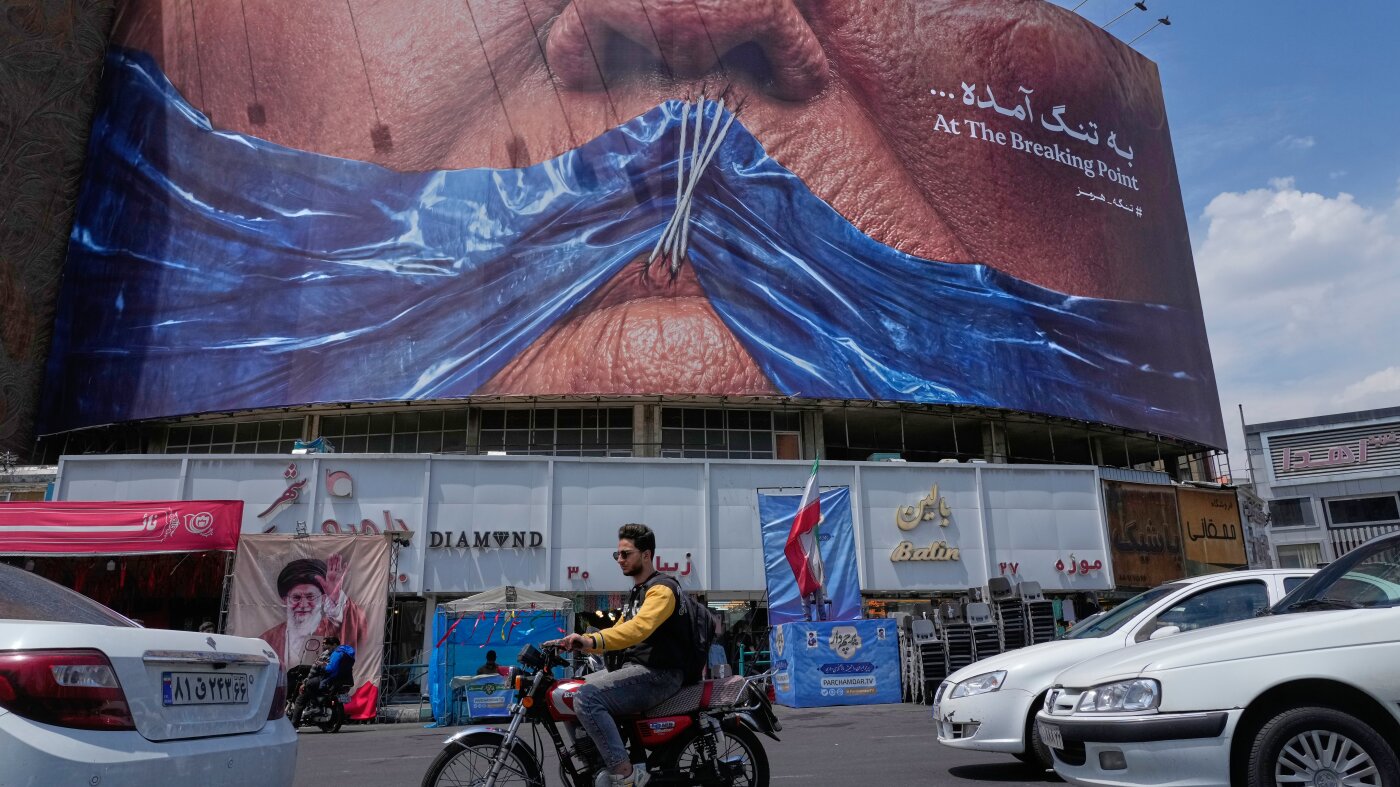
The Trump administration unveiled a comprehensive sanctions campaign against Iran on Monday through Treasury Secretary Scott Bessent, marking a strategic shift in its approach to the ongoing conflict. Rather than pursuing additional military operations, the administration is attempting to isolate Iran economically by severing financial relationships and warning nations against conducting business with Tehran.
The conflict between the U.S., Israel, and Iran began in February, but after nearly six months and a failed ceasefire initiative, the situation has become protracted rather than the swift victory originally anticipated. The war has strained the global economy, tested relationships with Gulf allies, and depleted military resources. U.S. objectives have evolved from addressing Iran’s nuclear program to achieving regime change and gaining control over the Strait of Hormuz.
Historical precedent raises questions about the efficacy of economic pressure. Previous administrations have imposed sanctions on Iran, yet the regime has maintained financial stability through smuggling networks and illicit transactions. Analysts note that maximum pressure campaigns typically provoke escalated resistance rather than capitulation. The United Arab Emirates, historically Iran’s largest trading partner with roughly $21 billion in annual imports, recently announced a halt to all commercial and financial dealings with Iran, potentially closing an important sanctions evasion channel.
China’s cooperation will likely determine the strategy’s success. In 2025, China purchased approximately $31 billion in crude oil from Iran, representing nearly 45 percent of Iranian government revenue. Treasury officials confirmed that oil imports have declined approximately 40 percent from prewar levels due to a U.S. naval blockade. Beijing has publicly opposed unilateral sanctions and stated that pressure will not resolve the crisis, though discussions regarding Chinese compliance may be ongoing behind diplomatic channels.
Official statements suggest ambiguity regarding potential sanctions against Chinese entities. Treasury Secretary Bessent indicated that no nation is beyond the reach of U.S. sanctions without specifically addressing China. Analysts indicate that penalizing substantial Chinese companies could jeopardize trade negotiations, while lenience toward Beijing might provide Iran a critical economic lifeline. Meanwhile, Iranian civilians report experiencing severe economic hardship from the blockade and ongoing sanctions.
Article Attribution | Read More at Article Source
Article summary produced by Claude AI