

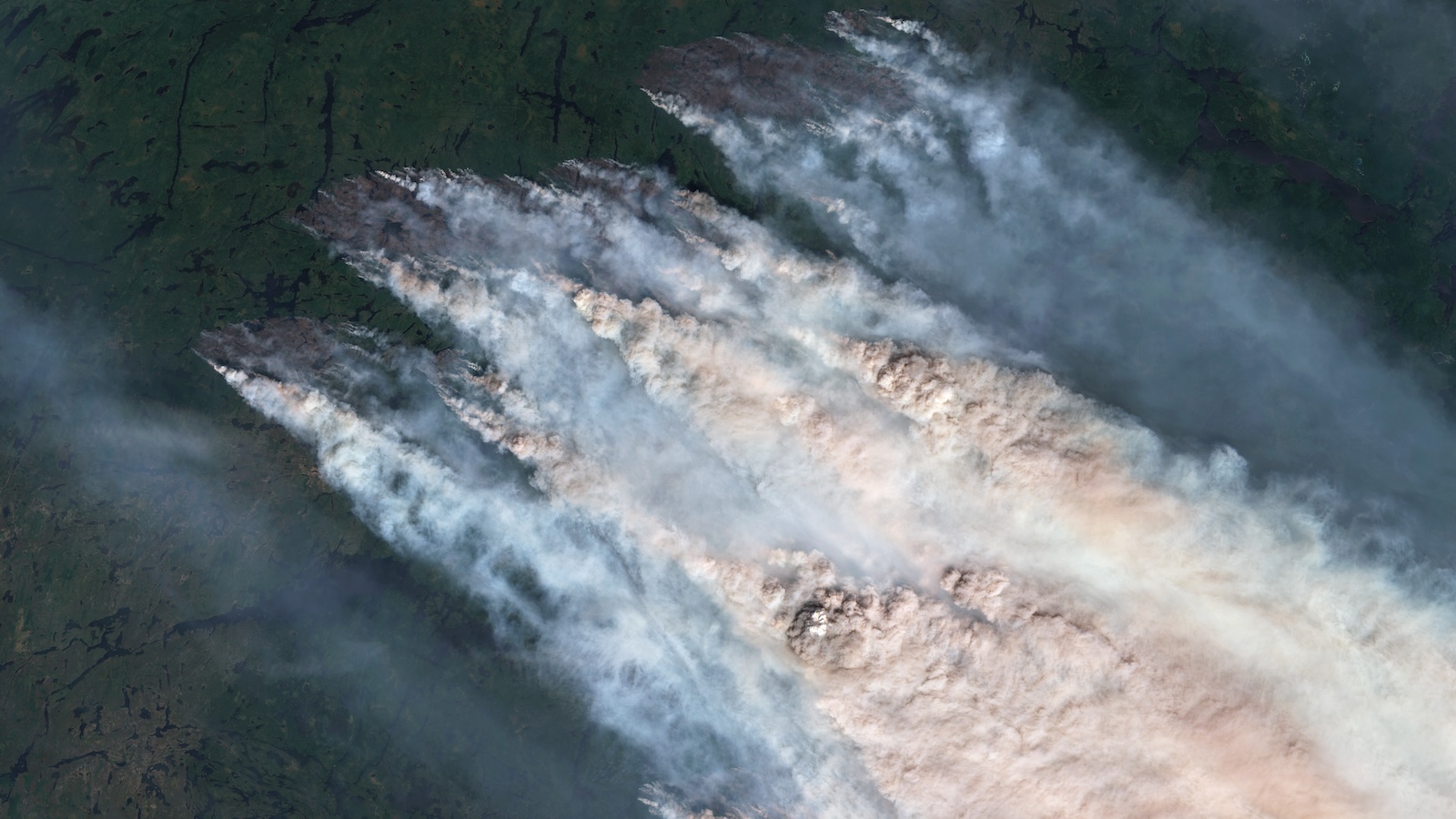
First Nations communities across Canada are experiencing significant hardship during an active wildfire season that has forced widespread evacuations and property losses. As of mid-August, 601 wildfires were burning across the country, with at least 81 First Nations affected and 9,131 people displaced from their communities since April 1. Approximately 2,524 people remained evacuated at that time.
The Bradley Creek wildfire near Vernon, British Columbia, exemplifies the scale of destruction affecting Indigenous communities. The fire, which began July 31 on reserve lands, burned approximately 6,550 acres and destroyed more than 30 homes belonging to Okanagan Indian Band members, along with around 200 structures belonging to other residents. Chief naspəpʕásəs Dan Wilson emphasized the cultural significance of losses, noting that family histories preserved by Elders had disappeared with their homes, including traditional Salish baskets and memorabilia. In Ontario, Namaygoosisagagun First Nation was devastated by a fast-moving fire in July, with residents evacuating by boat, while at least 12 First Nations in the province underwent full or partial evacuations this summer.
Indigenous leaders have identified multiple systemic problems in emergency response and firefighting capacity. Chiefs of Ontario called for an independent public inquiry into what they characterized as a “catastrophic and systemic failure” at nearly every level of the provincial response. First Nations have reported inadequate firefighting equipment, delays in emergency assistance, and insufficient access to critical information. The Okanagan Indian Band’s chief noted that his department’s fire truck was designed for structural fires rather than wildland firefighting, and adequate equipment could have prevented the fire’s spread. Communication barriers have also complicated emergency response, with some communities not receiving evacuation alerts in Indigenous languages, leaving Elders and speakers of traditional languages vulnerable.
Authority over evacuation decisions has emerged as a contentious issue. At Kiashke Zaaging Anishinaabek in northwestern Ontario, leadership objected to government withdrawal of evacuation orders while large fires remained active nearby, citing concerns about infrastructure safety and limited escape routes. Legal questions have also arisen regarding assistance eligibility, as Namaygoosisagagun, though home to First Nations people, lacks formal recognition as a First Nation, potentially affecting its access to federal recovery funding.
Despite losses, affected communities have demonstrated resilience. Support from neighboring First Nations and solidarity from Indigenous leaders has bolstered spirits among displaced residents. The Okanagan Indian Band’s chief expressed determination that his community would continue strengthening, noting a 10,000-year history on the land.
Article Attribution | Read More at Article Source
Article summary produced by Claude AI