

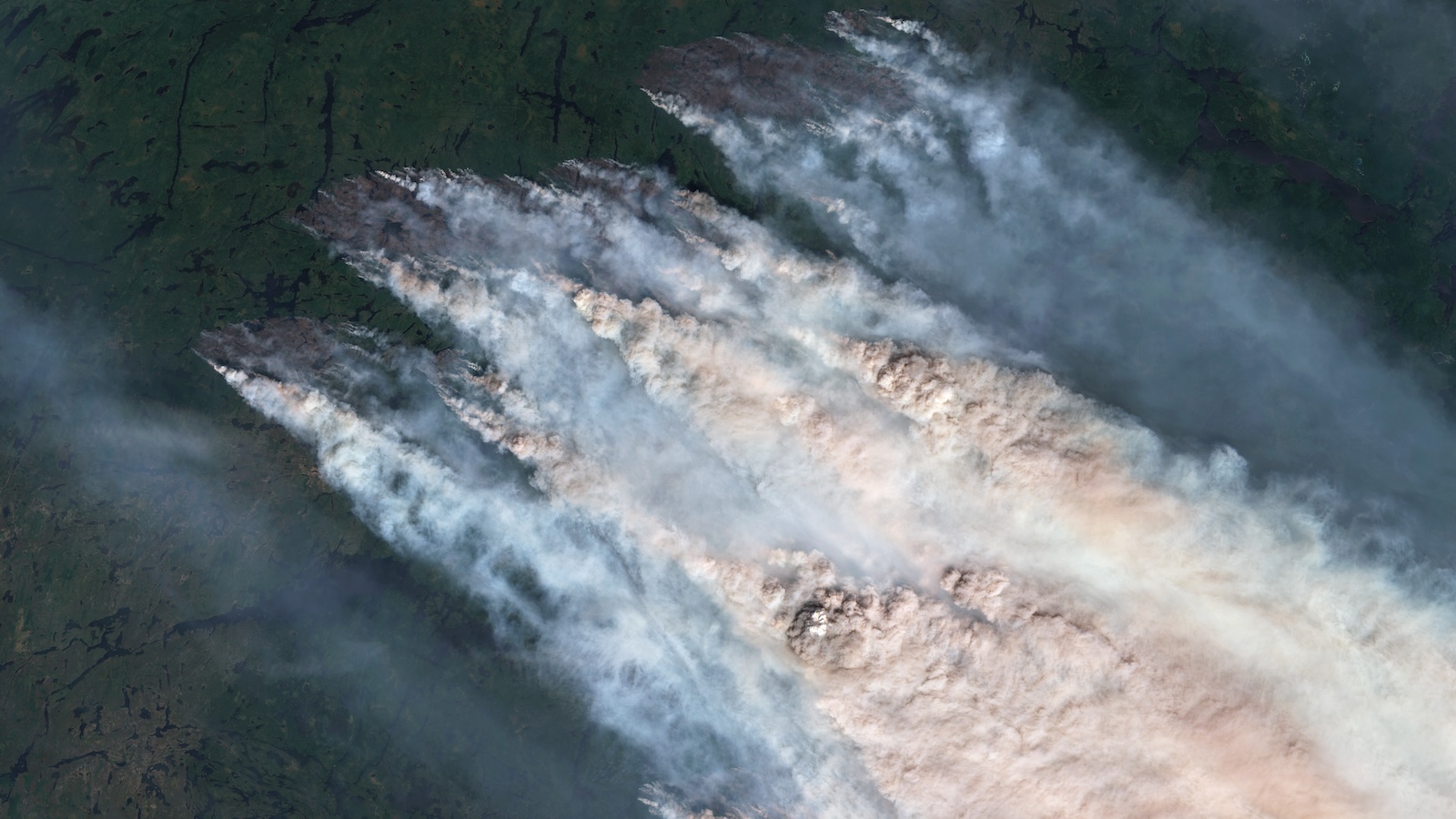
A significant wildfire season across Canada has disproportionately affected First Nations communities, with widespread evacuations and property losses reported from British Columbia to Ontario. As of Tuesday, approximately 601 wildfires were active nationwide, including 113 classified as out of control. The Bradley Creek wildfire near Vernon, British Columbia, destroyed or damaged more than 230 structures, including over 30 homes belonging to members of the Okanagan Indian Band, along with irreplaceable cultural items and family records.
The cumulative impact has been substantial. At least 81 First Nations have been affected by wildfires since April 1, resulting in the displacement of 9,131 people, with 2,524 individuals remaining evacuated as of the reporting period. A particularly severe incident occurred in Ontario when Namaygoosisagagun First Nation was devastated by a fast-moving fire in July, prompting residents to flee by boat. At least 12 First Nations in Ontario alone have faced full or partial evacuations this season. Indigenous leaders and organizations including Chiefs of Ontario have called for an independent public inquiry, characterizing the response as a “catastrophic and systemic failure” at multiple governmental levels.
Beyond immediate evacuation and firefighting challenges, First Nations leaders have identified several systemic issues. Communities report inadequate wildland firefighting equipment, delays in emergency assistance, and communication barriers that have hindered effective response. The Okanagan Indian Band’s fire department, composed of roughly 30 trained firefighters, operates primarily with structural fire equipment rather than specialized wildland firefighting vehicles. Additionally, emergency alerts have not been consistently provided in Indigenous languages, leaving some communities to rely on their own resources to alert Elders and residents.
Recovery and rebuilding present additional obstacles. Questions have arisen regarding federal assistance eligibility, particularly for communities with uncertain legal status under federal recognition frameworks. Bureaucratic requirements have also delayed emergency aid access for some First Nations. Leaders emphasize the need for systemic improvements to prevent future failures and to ensure Indigenous communities receive adequate resources and participation in emergency decision-making processes.
Article Attribution | Read More at Article Source
Article summary produced by Claude AI