

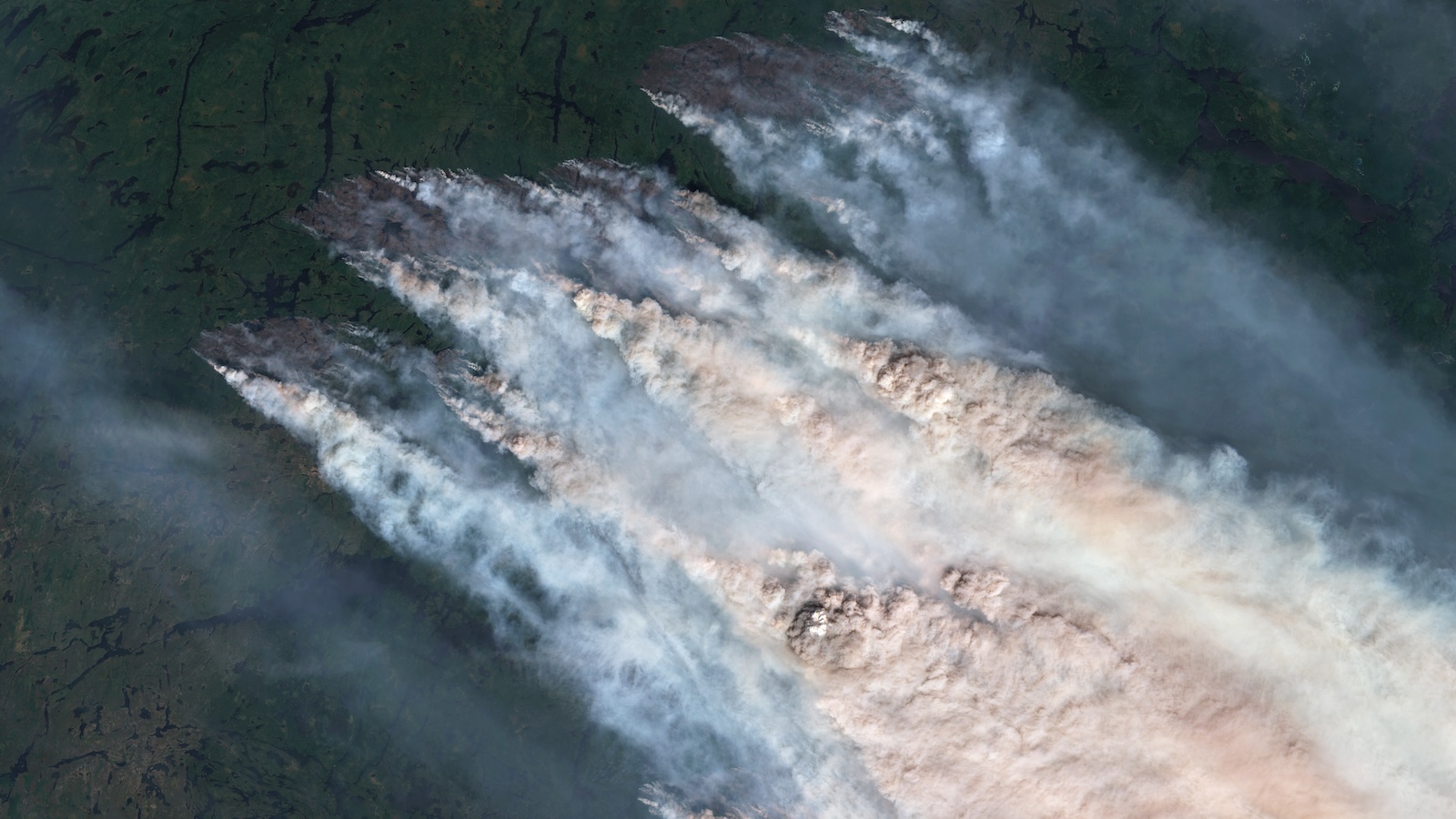
Canada is experiencing a significant wildfire season that has disproportionately affected Indigenous communities. As of mid-August, approximately 601 wildfires were burning across the country, with 113 classified as out of control. The fires have impacted at least 81 First Nations, forcing 9,131 people from their homes since April 1, with 2,524 people remaining evacuated.
The Okanagan Indian Band in British Columbia experienced substantial destruction from the Bradley Creek wildfire, which began July 31 on reserve lands near Vernon. More than 30 band members lost their homes, along with approximately 200 homes and structures belonging to non-Indigenous residents. The fire had burned about 6,550 acres by early August and was classified as being held, meaning it was expected to remain within its existing boundaries. Band leadership emphasized the cultural and historical significance of losses, noting that family histories and artifacts belonging to Elders were destroyed.
In Ontario, multiple First Nations faced similar challenges throughout the season. At least 12 First Nations in the province experienced full or partial evacuations. Namaygoosisagagun First Nation was devastated by a fast-moving fire in July, with residents evacuating by boat. The Ontario regional government has faced criticism for what Indigenous leaders describe as systemic failures in response and recovery efforts. Chiefs of Ontario called for an independent public inquiry into the province’s handling of evacuations, emergency assistance, and decision-making processes.
Indigenous leaders have raised concerns about multiple operational and administrative gaps. First Nations reported inadequate firefighting equipment, delays in receiving emergency assistance, and communication barriers during evacuations. The Okanagan Indian Band chief noted that proper wildland firefighting equipment could have enabled first responders to contain the Bradley Creek fire immediately. Additionally, emergency alerts in some cases were not provided in Indigenous languages, leaving communities dependent on their own resources to alert residents.
Disputes have also emerged over decision-making authority regarding evacuation orders. Kiashke Zaaging Anishinaabek objected to government decisions to withdraw evacuation orders while large fires remained nearby, citing concerns about community safety and the potential for fire to block the only road out. Questions about federal recovery assistance have also surfaced, particularly for First Nations that lack formal recognition status. Indigenous communities have received support from neighboring First Nations during evacuations, and leaders have called for systemic changes to prevent similar response failures in future disasters.
Article Attribution | Read More at Article Source
Article summary produced by Claude AI