

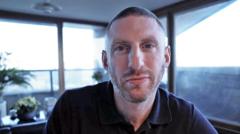
ADHD UK has lodged a formal complaint with Ofcom regarding a Channel 4 documentary that aired on Tuesday, in which NHS psychiatrist Dr Max Pemberton concluded that ADHD functions as a social construct rather than a neurobiological disorder. The programme, titled The Great ADHD Myth?, featured medical experts skeptical of conventional ADHD understanding and followed a 10-year-old boy who discontinued medication and implemented lifestyle modifications. The documentary concluded with the boy’s mother stating he would remain off medication, though end credits disclosed he resumed treatment two months after filming with improved school performance.
ADHD UK stated that the programme’s own closing information contradicted its central thesis, noting the subject returned to medication with academic improvements. The Royal College of Psychiatrists also issued a statement cautioning against invalidating the condition. President Prof Subodh Dave acknowledged differing opinions exist but warned that questioning ADHD’s legitimacy disadvantages patients and healthcare professionals. He emphasized that resources should address NHS waiting lists rather than the condition’s established status as a neurodevelopmental disorder.
Channel 4 defended the broadcast, asserting that considerable public debate exists regarding ADHD and that challenging conventional understanding represents legitimate editorial exploration. The network stated the documentary presents views from senior medical experts, many with NHS or professional leadership roles, and examines whether societal factors and modern living patterns contribute to rising diagnosis rates. The channel also said the programme explores whether medication represents the optimal treatment approach for all children given unknown long-term effects.
Additional responses included criticism from ADHD Embrace, which expressed disappointment with journalistic quality and concern that inaccurate information would increase public skepticism of the condition. Founder Annette Wilson warned the programme risks marginalizing those with ADHD and reinforcing isolation among affected families. Media reviews offered mixed assessments, with both The Guardian and The Times awarding four-star ratings, though noting the documentary would prove controversial among viewers.
Context indicates ADHD diagnoses have risen significantly in recent years, with NHS waiting lists for assessments reaching record levels. Research suggests potential underdiagnosis despite increased referrals, with studies indicating prevalence may reach 3-5% internationally compared to current diagnosis rates in England.
Article Attribution | Read More at Article Source
Article summary produced by Claude AI