

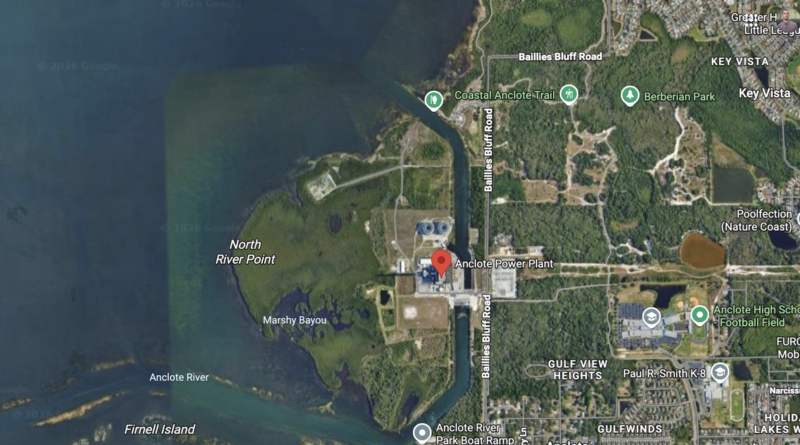
Duke Energy notified Florida environmental authorities on August 20 of a chemical discharge at the Anclote Power Plant located in Holiday, Florida. The incident involved roughly 3,200 gallons of sodium bisulfite, a substance capable of causing irritation to skin and tissue. The spill contaminated soil and asphalt in the immediate vicinity of the facility. Both Duke Energy and the Florida Department of Environmental Protection indicated that the sodium bisulfite did not migrate to the Anclote River in the area.
Residents living in proximity to fossil fuel power facilities face multiple environmental and health-related concerns stemming from such operations. These hazards include exposure to air pollutants, coal ash management issues, the possibility of chemical leaks, potential water contamination, workplace accidents, and the broader environmental burden associated with maintaining and decommissioning fossil fuel infrastructure.
Environmental advocates have cited the incident as illustrative of broader safety considerations related to fossil fuel energy generation. Susannah Randolph of the Sierra Club Florida Chapter emphasized the need for greater transparency regarding the cause of the spill, its full environmental scope, and preventive measures for future occurrences. She highlighted that communities should not bear these risks as a prerequisite for reliable electricity service, noting that alternative energy options exist.
Other energy policy organizations have pointed to the incident as evidence of the economic and health externalities associated with fossil fuel-based power generation. With a significant portion of Duke Energy Florida’s generation capacity derived from coal, natural gas, and other fossil fuels, advocates argue for a transition toward renewable energy sources. Such a shift, they contend, would reduce both operational costs and health risks while protecting Florida’s tourism sector, which depends on environmental preservation.
Article Attribution | Read More at Article Source
Article summary produced by Claude AI