

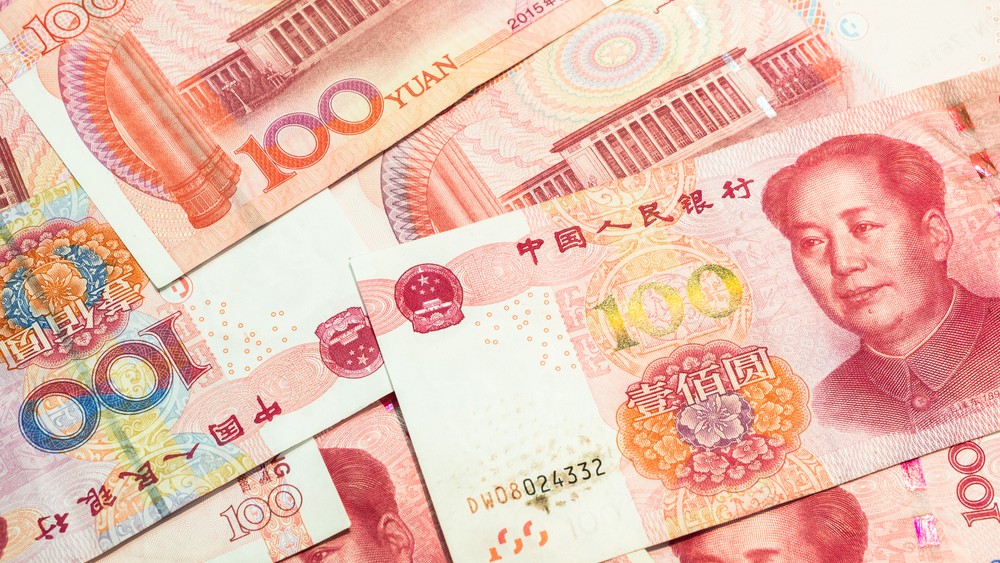
China is accelerating its economic influence throughout Central Asia during 2026, with particularly significant developments in Uzbekistan and broader engagement across the region.
In Uzbekistan, bilateral trade during the first half of 2026 reached $7.7 billion according to local data, positioning China as the nation’s largest trading partner by a considerable margin over Russia, which recorded $5.8 billion in trade. The number of Chinese-operated joint ventures and wholly owned subsidiaries in Uzbekistan has surged dramatically, reaching 6,060 entities across mining, industrial production, and energy sectors. This represents a sharp acceleration from previous years, with the total nearly doubling since 2024. Chinese business presence has now surpassed Russia’s operations in the country, reversing a historical dynamic. Tourism from China is also expanding rapidly, with 223,479 Chinese visitors arriving in the first half of 2026, a significant jump from 278,900 for all of 2025, partly driven by the introduction of visa-free travel between the nations in mid-2025.
Kazakhstan has deepened financial ties with China through planned integration of payment systems and digital technologies. Officials from Kazakhstan’s National Bank and Chinese financial institutions have agreed to establish mutual QR payment systems and pilot settlements using digital currency. Agricultural exports from Kazakhstan have reached record levels, with Chinese demand accounting for roughly 40 percent of flax seed shipments exceeding 1 million tons. Both nations have also launched a joint research laboratory at a Kazakh university focused on biological security and infectious disease monitoring.
Tajikistan has experienced approximately 50 percent growth in trade with China during the first half of 2026, reaching $1.78 billion, solidifying China’s position as the nation’s leading trade partner. China also provides substantial humanitarian assistance to Tajikistan and is becoming a critical partner for energy diversification as Tajikistan seeks alternative fuel suppliers amid disruptions affecting Russian energy infrastructure.
In Kyrgyzstan and Turkmenistan, Chinese engagement continues through infrastructure gifts and industrial contracts, reflecting broader efforts to expand influence across the region.
Article Attribution | Read More at Article Source
Article summary produced by Claude AI