

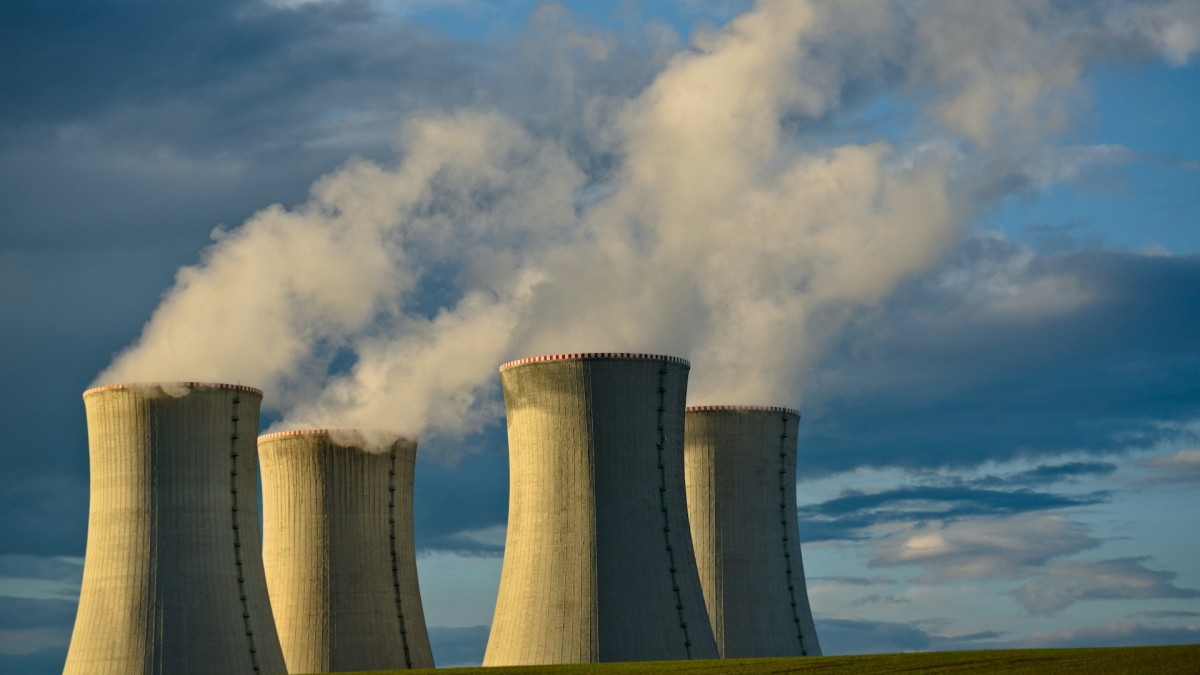
Global nuclear power generation produced 2,845 terawatt-hours in 2025, reaching an all-time high and surpassing the previous record of 2,803 terawatt-hours set in 2006. However, the expansion masks significant regional disparities, with China supplying all of the net growth while nuclear output in other major economies remained largely flat or declined.
China’s nuclear generation increased by more than 34 terawatt-hours in 2025 alone, continuing a dramatic expansion over the past decade. From 2015 to 2025, China’s nuclear output nearly tripled, climbing from 171 terawatt-hours to 485 terawatt-hours. This represents an average annual growth rate of approximately 11%. Over the same ten-year period, worldwide nuclear generation rose by 270 terawatt-hours, but China alone accounted for 314 terawatt-hours of that increase. Without China’s contribution, global nuclear generation would have declined by roughly 44 terawatt-hours compared to 2015 levels.
The United States remains the world’s largest nuclear power producer with 826 terawatt-hours generated in 2025, representing 29% of global output. However, American nuclear generation has remained essentially flat over the decade, producing 839 terawatt-hours in 2015. China now ranks second with 485 terawatt-hours, accounting for 17.1% of worldwide generation. At current growth rates, China is projected to surpass the United States as the leading nuclear generator within approximately five years. France generated 390 terawatt-hours, while Russia, South Korea, and Japan produced 219, 185, and 94 terawatt-hours respectively.
Regional growth patterns reveal a significant shift in nuclear expansion. The Asia-Pacific region more than doubled its nuclear output from 420 terawatt-hours in 2015 to 845 terawatt-hours in 2025, now accounting for nearly 30% of global production. In contrast, Europe experienced a substantial decline, dropping from 968 terawatt-hours to 759 terawatt-hours over the same period. North America’s output fell from 952 terawatt-hours to 921 terawatt-hours. Non-OECD countries added approximately 366 terawatt-hours of nuclear generation during the decade, while OECD nations lost about 96 terawatt-hours.
Despite the record output, nuclear power’s share of global energy supply actually declined slightly. Nuclear accounted for 5.17% of global energy supply in 2025, down from 5.19% the previous year. While nuclear generation increased, total global energy consumption rose more rapidly, expanding from 592.2 exajoules to 600.3 exajoules. In China specifically, despite being the world’s second-largest nuclear power producer, nuclear represents only about 3.3% of total energy supply, indicating substantial potential for further expansion if the country maintains its recent construction pace.
Article Attribution | Read More at Article Source
Article summary produced by Claude AI